Immediately dissolving pills appear as one of the most popular and widely accepted dosage forms, especially in pediatric patients due to poor development of the musculoskeletal system and the condition of elderly patients suffering from Parkinson's disease or hand tremors. There are very few dosage forms such as pills and pills nowadays that deal with problems such as difficulty swallowing (dysphagia), which leads to many acts of disobedience and making treatment ineffective. The oral dose form and the oral route are the most common. The preferred treatment regimen for various medications has limitations such as first pass metabolism, psychiatric patients, bedridden patients and non-partners. FDTS are dispersed or dispersed rapidly in the saliva without the need for water. Soluble F pills are designed to melt saliva very quickly, within a few seconds (less than 60 seconds) and those real pills disperse quickly. FDTS forms contain super disintegrants to improve the rate of tablet dispersion in the buccal cavity. FDT has benefits such as ease of use and productivity, accurate measurement, good chemical and physical stability and an ideal alternative for elderly and pediatric patients. FDTS dispersed rapidly, absorbing rapidly, therefore, in vitro drug release time improves and this drug package (dosage form) improves bioavailability. FDT formulation has its advantages in both the standard tablet formulation and the liquid volume form. There are several standard or patented technologies based on spray drying, cotton candy process, sublimation, granular melting, direct compression freezing dryer/lyophilization, phase transformation process, mass extrusion, etc. has been developed for the implementation of FDTs. In this review it contains a brief overview of FDTS including definition, benefits, requirements or requirements of FDTS, key features of FDTs, limitations, challenges to developing FDT, marketing of rapidly dispersed tablets, etc.
Keywords
Rapid Dispersal Pills
FDTS
Superdisintegrants
Oral Dispersal Tablets
MDT
INTRODUCTION
The formulation of drugs in a positive way is a basic and modern necessity. The dosage form is a drug delivery system, used for the use of the drug in a healthy body. Different types of dosage forms are available such as pills, syrups, suspensions, suppositories, injections, transdermals and episodes with different types of drug delivery methods. These old/modern dosage forms have some advantages and disadvantages. Therefore, the development of an appropriate drug delivery system is a major challenge for the pharmacist in the present situation. To get the desired result, the drug should be brought to its place of operation at such a price and concentration to achieve a greater therapeutic effect and a lesser side effect. In order to develop a suitable dosage form an in-depth study of the physicochemical principles governing a particular drug formulation should be performed [1].
Oral routes of drug administration have a wide acceptance of up to 50-60% of the total dose forms. Solid dosage forms are known for their ease of use, accurate dosage, self-medication, pain relief and most importantly patient compliance. Solid dosage forms are very popular in pills and pills; Another important aspect of these dosing regimens for some patients is difficulty swallowing. Drinking water plays an important role in swallowing oral forms. Often people have difficulty swallowing standard dosage forms such as tablet when there is no water, in case of motion sickness (kinetosis) and episodes of sudden cough during the common cold, allergic reactions and bronchitis. For this reason, pills can be quickly dispersed or dispersed in the mouth attracting much attention [2].
Swallowing problem is common in an older patient due to fear of choking, hand tremors, dysphasia and adolescents due to poor muscular and skeletal system development and in patients with schizophrenic disorders leading to poor hearing. About one-third of people (especially infants and children) have difficulty swallowing, leading to poor adherence to oral tablet medications leading to reduced overall efficacy. For this reason, pills can quickly. scattering or scattering in the oral cavity has attracted great attention [3].
The United States Food and Drug Administration (USFDA) has described the Rapidly Depleted Tablet (FDT) as "a solid dose form containing a drug substance or active ingredient that dissolves rapidly within a matter of seconds when placed on the tongue" [3].
Fast-dispensing drug delivery systems began to be developed in the late 1970s as an alternative to standard dosage The United States Food and Drug Administration (USFDA) described the tablet rapidly dispensing tablet (FDT) as "a solid form containing a drug or active ingredient that disperses quickly. Usually within a matter of seconds. when placed on the tongue "[3].
Soluble drug delivery methods began to be developed in the late 1970's as another form of standard dosage forms for pediatric and adult patients. These pills are designed to dissolve or disperse rapidly into the saliva usually in less than 60 seconds [4,5]. To meet these medical needs, pharmacologists have developed a novel oral form known as oral disintegrating (dispersible) (ODTS) or Fast disintegrating (dissolving) (FDTs) or oral contraceptive pills (MMTs) or oral contraceptives (MDTs). The tablets are released rapidly and dispersed rapidly in the saliva, usually after a few minutes, without the need to take water.
Recent market research shows that more than half of patients prefer FDTS over other doses. Oral contraceptives are made mainly of two techniques. initial use of super disintegrants such as Croscarmellose sodium, starch sodium glycolate and crospovidone. Another method is to increase the formation of pores by freezing and drying with a vacuum [5]. In all cases, direct pressure is preferred due to the lack of power, fast process and cost-effectiveness [1].
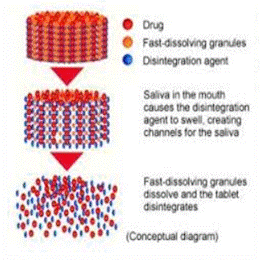
The bioavailability of some drugs may be enhanced by the absorption of drugs into the oral cavity and by the absorption of pre-gastric saliva containing dispersed drugs that pass into the stomach. In addition (Figure 1), the amount of drug below the initial metabolism decreases compared to conventional pills [5].
Figure 1: Conceptual Diagram of FDTs
The Need for Pills is Quickly Eliminated
Patient Characteristics [3]: Immediate dosage forms are suitable for those patients (especially children and elderly patients) who can swallow traditional pills and pills with an 8-oz glass of water. These include the following:
Patients with difficulty swallowing or chewing solid dose forms
Patients obey the law for fear of being strangled
Older patients with depression who may not be able to swallow solid dosage forms
An eight-year-old patient with allergies prefers a simpler dosage form than antihistamine syrup:
A middle-aged patient treated for radiation cancer may be too nauseous to swallow his H2-blocker
A schizophrenic patient may try to hide a normal tablet under his or her tongue to avoid his or her daily dose of atypical antipsychotic
A patient with persistent nausea, who may be traveling, or may have little or no water
Elements of Efficiency [5-10]
Increased bioavailability and rapid onset of action are the major causes of this formation. Dispersal of saliva in the oral cavity causes pre-existing absorption from other ions formed in those cases where the drug dissolves rapidly. Buccal, pharyngeal and gastric regions are all areas of high drug absorption. Any pre-gastric absorption avoids early metabolism and can be of great benefit to drugs undergoing hepatic metabolism. In addition, safety profiles may be enhanced by drugs that produce significant amounts of toxic metabolites that mediate first pass metabolism of the laiver and gastric metabolism, as well as drugs that play a major role in absorption of the oral cavity and frontal organs of the GIT.
Manufacturing and Marketing Materials [11]
As a drug approaches its patent, it is not uncommon for drug manufacturers to develop a drug company that offers a new and improved dose. The new volume form allows the manufacturer to increase market diversity, differentiate unique products and increase copyright protection. Examples, Eisai Inc. introduced Aricept FDT, a donepezil line for Alzheimer's disease, Japan in 2004 and the U.S. in 2005 in response to a general challenge posed to the U.S. by Ranbaxy.
Benefits of Fast-Acting Pills [6,7]:
No need for water to swallow the tablet:
FDTS can be easily given to pediatric patients, the elderly and the mentally handicapped
Accurate volume compared to liquid
Completion and absorption of the drug is rapid, which provides immediate onset of action
The bioavailability of the drug increases 10 as some drugs are absorbed through the mouth, throat and saliva down the stomach
It is more profitable than liquid medicines in terms of administration and transportation
First pass metabolism is reduced, thereby providing improved bioavailability and thus reducing dose and side effects
provide improved security
Suitable for continuous/controlled release. Allows high drug load
Limitations of FDTs [4,5]
The main disadvantages of FDT are related to the mechanical strength of the pills:
FDT is a highly flexible and softly formed or compressed mattress on a tablet with low pressure, making the tablet move and brittle which is difficult to handle
Negative drugs are as difficult to make as FDT; Special care should be taken before making such a type of drug
Several hygroscopic FDTs are unable to maintain physical integrity under normal conditions from moisture requiring a special package
Oral dryness due to reduced saliva production may not be a good alternative to these pills
The rate of absorption in saliva solution and total bioavailability:
Drug resistance and dosage
Significant features of fast dispersed pills or rapidly dissolving drug delivery [3,4,11]
Easy handling for a patient who is unable to swallow, such as the elderly, those suffering from a stroke, bedridden patients, a patient suffering from kidney failure and a patient who does not want to swallow like pediatric, elderly and psychiatric patients
There is no need for water to swallow the dosage form, which is very useful for traveling patients who do not have immediate access to water
Immediate elimination and absorption of the drug, which will signal the immediate onset of action
Some medicines are absorbed into the mouth, pharynx and esophagus as saliva flows down the stomach. In such cases, the bioavailability of the drug increases
Premature suction can result in improved bioavailability and effect of weight loss
Improve clinical performance by reducing unwanted side effects
A good mouth feeling good helps to change the perception of medicine as a bitter pill especially in a pediatric patient
The risk of choking or suffocation during oral administration of normal form due to physical obstruction is avoided, thus providing improved safety
New business opportunities such as product classification, product promotion, patent extensions and life cycle management
It is useful in situations such as motion sickness, sudden episodes of allergies or coughing, where immediate action is needed
Increased bioavailability, especially in the case of soluble and hydrophobic drugs, due to the rapid dispersion and elimination of these drugs. Long-term stability, as the drug remains in a stable state until used. Therefore, it combines the benefits of a solid volume form in terms of stability and a liquid volume form in terms of bioavailability
Adaptable and attractive to existing processing and packaging machines
Allow high drug loading, Expensive
Challenges to Developing FDTs [3,10]
Palatability: Since many drugs are unpalatable, FDTs usually contain the drug in a way that hides the taste. FDTS after treatment, dissolves or dissolves in the patient's oral cavity, thus releasing active ingredients that interact with taste buds. Therefore, concealing the taste of the drug becomes essential for patient compliance [3,11].
Machine Strength and Time Dispersion
To allow the FDTS to disperse into the oral cavity, they are made of a very perforated and softly formed matrix or compressed into very low-strength tablets, making the tablets move and/or brittle, difficult to handle and often. requiring special packaging of bubbles that may add to the cost [3,11]. Only the wow tab and durasolv technology can produce tablets that are strong enough and strong enough to allow them to be packaged in bulk bottles [3].
Hygroscopicity
Several forms of oral dispersion are hygroscopic and cannot maintain physical integrity under normal temperature and humidity conditions [3,11] Therefore, they require protection from moisture that requires special product packaging [3].
Amount of Drug
The use of FDT technology is limited to the amount of drug that can be included in each unit volume. In lyophilized dose forms, the dose of the drug should be less than 400 mg of soluble drugs and 60 mg of soluble drugs [3,11] this parameter is especially challenging when forming rapidly dissolving or dead film films [3].
Aqueous Solubility
Water-soluble drugs have a variety of structural challenges because they form eutectic compounds, which lead to compression of the freezing point and the formation of solid glass which may fall off when dried due to loss of supporting structure during the sublimation process [3,5,11]. crumble. can sometimes be prevented by using matrix-assisting substances such as mannitol that can create crystals and, as a result, provide strength to the amorphous compound [3].
Size of Tablet
The ease of use of the tablet depends on its size. It has been reported that the lightest swallow tablet is 7-8 mm while the easy-to-handle size was larger than 8 mm. Therefore, the size of the tablet that is easy to carry and easy to carry is difficult to achieve [3,5].
Table 1: Superdisintegrants
Name of the excipient
% used
Superdisintegrants
1-15
Binders
5-10
Antistatic agent
0-10
Diluents
0-85
Mouth Feel
FDTS should not disperse into large particles in the oral cavity. The particles produced after the FDT dispersion should be as small as possible. In addition the addition of flavors and cooling agents such as menthol improves oral sensation [5].
Sensitivity to Environmental Conditions
FDTS should exhibit low sensitivity to environmental conditions such as humidity and temperature as most of the materials used in FDTS are designed to dissolve in small amounts of water [5].
Excipient Terms used in the Manufacture of FDTS [5, 10-13]:
Their individual properties should not affect FDTS
It should be able to disperse quickly
There should be no drug interactions with other helpful substances
When choosing a bond (single or combination combination) care must be taken to maintain the integrity and stability of the product
The melting point of the auxiliary materials used should be between 30-35°C
It should not interfere with the efficiency and organoleptic properties of the product. solid
The bond may be liquid, slightly solid, or naturally polymeric
Excipients used in FDT Preparation [5,13-20]
The auxiliary substances used in FDTS contain at least one super disintegrant, diluent, lubricant and anti-inflammatory agent, respiratory agent, sugars and flavor agents (Table 1).
As the day progresses, the need for a rapidly dispersing structure grows. Therefore, the chemist needs to make disintegrants i.e. super disintegrants that work well in low concentrations and are very effective in dispersing and work very well in intragranular. These very large disintegrants act with inflammation and due to inflammation. pressure exerted on the outer side or radial direction, causing the tablet to explode or rapid absorption of water leading to a significant increase in the volume of the granules in order to improve the separation.
Factors to Consider in the Selection of Super Disintegrants
Disintegration: The disintegrant should immediately apply saliva to the tablet to produce an increase in volume and hydrostatic pressure needed to provide rapid dispersion in the mouth.
Compactibility
It is desirable to have an FDT with acceptable hardness and low flexibility given the pressure supplied to produce strong tablets that avoid the need to use special packaging while increasing the production speed.
Mouthfeel
Larger particles can lead to a gritty feeling in the mouth.
Thus, smaller particles are selected. When the tablet makes a jelly-like consistency when in contact with water, however, it produces a gummy texture that many consumers find unpleasant.
Flow
In normal tablet formations, super disintegrants are used in 2-5 wt% of tablet formation. With the formation of FDT, the disintegrant level can be very high [16] (Table 2).
Bulking Materials
Blending materials are essential for the development of fast-acting pills. They offer diluent, filler and cost-cutting services. Bulking agents improve the texture of the pills to improve lip separation, without adding volume and reducing the concentration of performance in the construction. Bulking agents of this dosage form should be based on high sugars such as mannitol, polydextrose, lactose derivatives such as Direct Compressible Lactose (DCL) and starch hydrolyzate for high water solubility and good visual acuity. Mannitol in particular has a high aqueous solubility and good sensory perception, as it provides a cooling effect due to its poor temperature of the solution. Collecting agents are added to 10% to about 90% by weight of final formation.
The diminished system of brittleness of excipients is calculated as.
Emulsifying Agents
Emulsifying agents are important in making tablets dispersed faster as they help in faster dispersal and removal of drugs without the need for chewing, swallowing or drinking water. Also, emulsifying agents stabilize non-mixing compounds and increase the availability of bioavailability. A variety of emulsifying agents for rapidly dissolving tablet compounds include alkyl.
Lubricants
Although they are not essential supplements, these can help to make the pills taste better after decay in the mouth. Cosmetics reduce dizziness and aid in the process of transporting the drug from the mouth to the stomach.
Flavors (Masking Masking Agents) and Sweeteners
Flavors and masks make the products more palatable and pleasing to patients. The inclusion of these ingredients helps to overcome the bitterness and unwanted love of the active ingredient. Natural and artificial flavors can be used to enhance the organoleptic aspect of rapidly dispersing pills. A variety of sweeteners including sugar, dextrose and fructose, as well as unhealthy sweeteners such as aspartame, sodium saccharin, sugar alcohols and sucralose are available. The addition of sweeteners gives it a delicious flavor and texture in the composition.
Techniques for Preparing fast Dissolving Tablets
Conventional Technologies
Various Conventional Manufacturing Techniques for FDDDS
Freeze-Drying or Lyophilization [2]: It is a medical procedure that allows drying of heat-sensitive and biological drugs at low temperatures by adding a vacuum to remove water by sublimation.
Table 2: List of Superdisintegrants
Superdisintegrant
Mechanism of action
Specific properties
Croscarmellose Sodium
Swalls 4-8 folds in 10 s
Swelling and wicking action
Effective in low concentration (0.5-2.0% high swelling capacity, cross-linking of the carboxyl ester groups
Crospovidone
Combination of swelling and wicking action Swells 7-12 folds in 30 s
The effective concentration is 1-3%. Rapidly disperses and swells in water, available in micronized grades.
Cross-linked alginic acid
Hydrophillic colloidal substance which has high sorption capacity
The combination of swelling and wicking action causes disintgration
Gellan gum
Strong swelling properties upon contact with water
Superdisintegrants property similar to the modified starch and celluloses
Sodium starch glycolate
Strong swelling properties upon contact with water, swells 7-12 folds in <30s
Rapid absorption of water results in swelling upto 6% high concentration causes gelling
Soy Polysaccharide
Rapid dissolving
Does not Contain starch or sugar so can be used in products ments for Diabetics
Xanthan gum
Extensive swelling properties for faster disintegration
High hydophillicity and gelling tendency,low water solubility
The drugs are dispersed or dispersed in an aqueous solution of the carrier, transferred to pre-packaged bubbles and placed under a nitrogen flush to freeze and then refrigerated to complete the process. Symptoms of lyophilization techniques are these, which have a high specificity and location and dissolve rapidly in the mouth introducing high bioavailability to the drug. The biggest downside to this system is the high cost, time-consuming and fragile process, making conventional packaging unsuitable for packing this form of capacity and stability problems under stressful conditions.
Benefits
The great advantage of using this process is that the pills produced by this technology have a very short dispersion and have a large mouth due to the rapid melting effect.
Moulding Method
Tablets are designed using hydrophilic ingredients, for the purpose of achieving high drug resistance. The bulk of the powder is moistened with a hydroalcoholic solvent and then pressed in the form of a volume. The solvent the system is then allowed to evaporate. The flavor of the drug particles is enhanced by spraying with a concentrated mixture of hydrogenated cottonseed oil, sodium carbonate, lecithin, a polyethene glycol containing an active ingredient in a lactose-based tablet triturate. Symbol markers are very small holes as the solvents are removed by drying leaving a number of holes that promote rapid elimination.
Melt Granulation
The granular melting process is a process in which chemical powders are finely mixed with soluble compounds. The advantage of this process compared to normal granulation is that no water or organic solvents are needed. Since there is no stopping action, the process is time consuming and requires less energy than wet granulation. It is a useful way to improve the solubility of soluble drugs, such as griseofulvin.
Mass-Extrusion
In this case the mixed ingredients soften the water-soluble ingredient i.e. polyethene glycol, using methanol as a solvent, passing through the extruder to form smaller cylinders. Further cut with a hot razor to make small tablets. Symptoms of this method are that these products can be used to hide the bitter taste drugs that make the granules smaller and thus improve the availability of oral bioavailability.
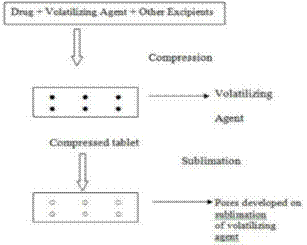
Figure 2: Schematic Diagram of Sublimation Techniques for Preparing Fast Dissolving Tablets
Sublimation
Rapid disintegration and dispersion are achieved by the formation of pores by combining fast-acting solid ingredients such as urea, camphor ammonium carbonate, ammonium bicarbonate and hexamethylene-tetramine. They are mixed with other ingredients and pressed. Flexible materials are converted to reduced pressure and the use of low temperatures leaves the weight of the pore state. Symptoms of the sublimation method are, they are naturally porous, solvents such as cyclohexane and benzene can be used (Figure 2).
Direct Compression
Disintegrant supplement technology (direct compression) is the most preferred method for making pills due to certain benefits:
Higher doses can be applied and the final weight of the tablet may exceed the alternatives
An easy way to make pills
Uses of common tools and resources are available
Limited number
Processing steps are involved
Cost effectiveness
Tablet size and hardness greatly affect disintegrant efficiency. Strong and large tablets have a longer dispersion time than usual. The tablets are very soft and small with low mechanical strength.
Figure 3: Proceses of Direct Compession
Table 3: Ideal Requirment, Advantages and Limitations of Direct Compression
Ideal requirement
Advantages
Limitations
1. Flowability
Cost effective production
Segregation
Compressibility Better stability
Better stability of API
Variation in
functionality
Dilution Potential
Faster dissolution
Low dilution potential
Reworkability
Less wear and tear of punches
reworkability
Stability
Simple validation
Poor compessibility
of API
Controlled Particle size
Low microbial contamination
Lubricant Sensitivity
Therefore, the best type and disintegrant focus should be selected in order to achieve rapid dispersion and high dissolution rates. In addition to the critical concentration level, however, the dispersion period remains relatively constant or elevated (Figure 3 and Table 3).
This process is so called because it uses a unique spinning mechanism to produce a crystal-clear structure that mimics cotton candy. The cotton candy process involves the formation of a Matrix of polysaccharides or saccharides by the simultaneous action of flash melting and spinning. The built-in matrix is partially reassembled to have improved flow and compression structures. This candy floss matrix is then ground and mixed with active ingredients and auxiliary ingredients and pressed into FDTs.
However, some polysaccharides such as poly maltodextrins and polydextrose can be converted into fibers at a temperature of 30-40% lower than sucrose. This modification allows for filtering inclusion of thermolabile drugs in the formulation. The pills produced by this process are very natural in nature and provide a very pleasant mouth to feel due to the rapid solidification of sugar in the presence of saliva.
Spray-Drying
In this way, ingredients are combined with hydrolyzed and non-hydrolyzed gelatin as supporting agents, mannitol as a bulking agent, sodium glycolate starch or crosscarmellose sodium as a dispersing agent and acid (e.g. citric acid) and or alkali (e.g. sodium bicarbonate) to promote separation. and dissolution. Symptoms of the spray stop method are that this method provides immediate termination (within 20 seconds) when the volume form meets the liquid surface.
Phase Transformation Process [21-25]
These processes are phased dispersal processes. conversion of sugary alcohol using erythritol (melting point 122°C), xylitol (93-95°C), trehalose (97°C) and mannitol (166°C). Tablets are manufactured by pressing powder containing two alcoholic sugars with high and low melting points and subsequent heating at temperatures between their melting points. Prior to the heating process, the tablets did not have sufficient hardness due to the low consistency.
The stiffness of the tablet is increased after heating, due to the increase in the bonding particles or the binding surface of the tablets caused by the reversal of the low-melting point of the alcohol sugar.
Nanoionization
The newly developed nanomelt technology involves reducing the size of wood particles to nano size by grinding wood using a patented liquid digestion method. The nanocrystals of the drug stabilize against agglomeration by surface adsorption in selected stabilizers, which are then incorporated into MDT. This process is especially beneficial for water-soluble drugs. Other advantages of this technology include the rapid dispersion/dissolution of nanoparticles leading to increased absorption and hence the high availability of bioavailability and reduced volume, less expensive production process, standard packaging due to special durability and wide range of doses (up to 200 mg per unit.) (Figure 4).
Oral Disintegrating or fast Dissolving thin Films [26]
It is a new frontier for the fast-release tablet that provides much easier ways to take medication and additional ingredients. In this process, a water-soluble solution is prepared consisting of a water-soluble film. forming a polymer (pullulan, carboxymethylcellulose, hydroxypropyl methyl cellulose, hydroxyl ethyl cellulose, hydroxyl propyl cellulose, polyvinyl pyrrolidone, polyvinyl alcohol or sodium alginate, etc.), etc. drugs and other ingredients to hide the taste, which are allowed to form a film after the solvent of solvent. In the case of a bitter drug, resin adsorbate or synthetic microparticles of the drug can be applied to the film. The film, when applied to the mouth, melts or melts quickly, releasing the drug with a solution or suspension form. Features of the program include thin paper films of less than 2×2 inches in size, 5 seconds finish, faster drug delivery and flavorful aftertaste.
Patented Technologies for Fast Dissolving Tablets
The rapid melting factor of FDT is usually caused by the rapid penetration of water into the tablet matrix leading to its rapid decomposition. Several technologies have been developed on the basis of different design features and processes and are patented by a few pharmaceutical companies. Copyrighted technology is described below [27-30].
Zydis Technology
Zydis formulation is a unique ice-free tablet in which a tree is literally trapped or dissolved within a matrix of fast-melting network materials. When zydis units are put in the mouth, the dried frozen structure dissolves immediately and does not need water to help swallow. The zydis matrix is composed of many elements designed to achieve various goals. To provide strength and durability during handling, polymers such as gelatin, dextran or alginates are included. These form a glossy amorphous structure, which provides energy.
Limitations
The amount of drug that can be combined should be less than 400 mg of soluble drugs and less than 60 mg of soluble drugs. during processing.
Benefits:
Buccal pharyngeal and gastric regions are all areas of absorption in this formation. Any pre-gastric absorption avoids first pass metabolism and can be beneficial to drugs that deal with hepatic metabolism
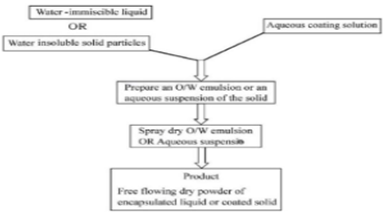
Figure 4: Flow Chart for Coating Liquid and Solid Particles using Spray-Drying Process
Zydis formulation protects itself because the water filling at the end of the frozen product is too low to allow for bacterial growth
Patients who have difficulty swallowing oral medication due to dysphagia, stroke or medical conditions such as gastroesophageal reflux disease, multiple sclerosis or Parkinson's disease
Disadvantages:
The ice drying process is an expensive production process
The construction is very simple and delicate, so it should not be stored in bags or under bags
Not very stable at high temperatures and humidity
Water-soluble drug can only be infused up to 400 mg per tablet or less. On the other hand water, soluble drug can only be infused up to 60 mg
Orasolv Technology
Orasolv technology is built on CIMA labs. In this process, the active drug is covered by taste. It also contains an effervescent disintegrating agent. Tablets are made in the form of direct pressure with low pressure to reduce the time of oral exposure. Common compounds and tablet formulas are used to produce tablets. The manufactured tablets are soft and fragile and are packaged in a specially selected and environmentally designed system.
Benefits
The taste-masking is doubled, a quick finish. This technology has been used for drug strength in the range of 1 mg to 750 mg. Depending on the design and size of the tablet, the disperse time of the tablet can be set to 10 to 40 seconds.
Disadvantages
They are sensitive to moisture due to the presence of an effervescent system and must be packed properly. Machine power is low.
Durasolv Technology
Durasolv is a patented technology for CIMA labs. Pills made by this technology contain medicine, supplements and ointments. The tablets are manufactured using standard tablet tools and have good durability. These can be packed in a standard packaging system such as bubbles. Durasolv is a suitable product for products that require low amounts of active ingredients.
Benefits
DuraSolv technology is good for low-dose tablets (125 mcg to 500 mg) of active ingredients and tablets are suppressed with a maximum hardness of 15-100 N, resulting in long-lasting ODT. As a result, this technology allows packing flexibility; blister pills. can be bottled again.
Disadvantages
The technology is not compatible with large doses of active ingredients because the composition is subject to high pressure during mixing. The powder coating of Durasolv drug may be broken during contact, exposing the drug to a subtle bitter taste of the patient's taste.
Wow Tab Technology
the tab technology is approved by Yamanouchi Pharmaceutical Co. WOW means "Without Water". In this process, a combination of low-density saccharides and high-density saccharides are used to obtain a solid tablet that dissolves rapidly. The combination of high and low density is used to produce tablets of sufficient strength.
Benefits
Adequate level of completion and complexity. Oops, the tab product can be packaged in both standard bottle and bubble bags.
Disadvantages
There are no significant changes in bioavailability.
Flash Dose Technology [31-35]
Flash dosage technology has been patented by Fuisz. Nurofen melt let, a new type of Ibuprofen such as oral soluble tablets, prepared using flash dosage technology is the first commercial product introduced by Biovail Corporation. Flash volume pills contain a binding shear form called floss. Shearform matrics are adjusted by processing the flash temperature.
Benefits
High melting point.
Disadvantages
The high temperature required to dissolve the matrix can limit the use of heat-sensitive, moisture-resistant and moisture-resistant drugs
Dosage form can only carry 600 mg of the drug
The tablets produced are very attractive, soft and moisture resistant. Therefore special packaging is required
Flashtab Technology
Flashtab technology is also one of the fastest/most fragile tablet formats. Prographarm laboratories are patented by flashtab technology. It uses the same auxiliary substances as in the usual suppressed pills. The dispersing agent and the inflammatory agent are used in conjunction with the drug particles covered in this formulation to produce a tablet dispersed in the mouth in less than one minute.
Oraquick Technology
K. V. S. Pharmaceuticals has a patent on this technology. It uses a microsphere flavor secretion technology called micromask, which provides a higher lip flavor than other flavor enhancers, vital mechanical strength and rapid dispersion/product dissolution. Any kind solvents are not used in the process of concealing flavor. It therefore leads to higher and faster production.
Benefits
Fast and efficient production, suitable for heat-resistant drugs.
Dispersible Tablet Technology [36-40]
The Yugoslav Lek Lek was granted patents on the dispersed tablets dihydroergotoxine and cimetidine, which are said to dissolve in less than 1 minute when in contact with room temperature. Dihydroergotoxine is not soluble in water on a free basis. Improved dehydration rate of dihydroergotoxine methanesulphonate was detected by dispersing tablets containing 0.8-10%, preferably about 4% by weight, of organic acids. One of the most important aids in cimetidine is the ion-releasing agent. It provides rapid inflammation and/or the ability to moisturize well in tablets and thus disintegrates quickly. Dispersing agents include starch or modified starch, microcrystalline cellulose, alginic acid, cross-linked sodium carboxymethylcellulose and cyclodextrin polymers. A combination of two or more dividing agents produces better dispersion results.
Advatab Technology
Advatab tablets are dispersed rapidly in the mouth, usually in less than 30 seconds, to allow the administration of oral drugs without water. These pills are especially suitable for those patients who are having difficulty swallowing pills and pills. Advatab differs from other FDT technologies in that it can be integrated with Eurand's available particle technology such as its world-class Microcaps® disinfection technology and Diffucaps®, a controlled release technology.
Nanocrystal Technology
With fast-dispersible tablets, elan nanocrystal patented technology can allow for the design and development of a combination of performance and final product features. Reducing particle size increases surface area, leading to increased dissolution rate. This can be done predictably and effectively using nanocrystal technology. Nanocrystal particles are small particles of a substance, usually less than 1000 nanometers (nm) in diameter, which are produced by the digestion of a drug using a patented liquid digestion method.
Nanocrystal Fast Provides for Dissolving Technology
Pharmacokinetic benefits of orally administered nanoparticles (<2 microns) in the form of a rapidly dispersing tablet matrix
Product classification based on a combination of protected technologies with respect to copyright and patent
Inexpensive production processes using standard units, operating units
Pharmabust Technology
Pharmaburst technology approved by SPI pharma. The tablet produced by this process consists of a dry mixture of the drug, flavor and lubricant and is then concentrated in tablets and then melted within 30-40 seconds. Pills produced in this way are powerful enough to be packaged in packets of bubbles and bottles.
Frosta Technology
This technology is approved by Akina. Frosta technology uses the basic concept of making plastic granules and compression under low pressure to produce solid powders with high porosity. The process involves mixing (Table 4 and 5A).
The technology can be used for almost any drugs including market place and extension of patent term of innovator. The clinical studies show FDTS can improve patient compliance, provide a rapid onset time of action and increase bioavailability. Considering the many benefits of FDTs, it is only a matter of time until a majority of oral formulations are prepared in FDT forms (Table 5B).
Lyo (Pharmalyoc)
The oil in the watr emulsion is prepared and poured directly into the bubble holes following the drying of the ice. Non-homogeneity during freezing drying is avoided by applying an inert solution to increase viscosity in maintaining sedimentation. The upper part of the filling reduces the porosity of the pills due to the fact that the dispersion is reduced.
Sheaform Technology
The technology is based on the preparation of a floss known as, shear from matrix, which is produced by inserting a feed stock containing a sugar carrier by processing the flash temperature. In this process, the sugar at the same time is below the centrifugal force and the gradient temperature, which raises the weight of the mass to create an internal, flowing atmosphere, allowing its part to move with respect to the mass.
Table 4: Patents on Fast Dissolving Drug Delivery System or FDT’s
Author
Drug
Method/polymer
Inference
Lee et al.
Megestrolphenyl
Spray drying
Quicker dissolve and mask the bitter taste of drug
Szamosi et al.
Proanolamine HCL
Direct comperssion
Melt at 37°C and low compression force
Constantin
Ondasetron
Polyethylene glycol
Used of the bioactive agent and in the treatment of dysphagia
Singh et al.
Nimesulide
Sodium starch glycolate
Dissolve or disintegrare in digestive organs
Aggarwal et al.
Ga-lanthamine
Direct compession
Used in alzheimer’s disease
Szamos I et al.
Ibuprofen
Direct compession
Provide excellent mouth feel
Callihan et al.
Aspirin
Direct compression
Mannose provide rapid disintegration and dissolution
Khawla et al.
Ibuprofen
Melt extrusion
Very low comperssion force
John et al.
Active substance
Freeze drying
Rapid disintegration
Table 5(A): Work Done on Fast Dissolving Drug Delivery System or FDT’s
Author
Drug
Method
Inference
Durgabhavani et al.
Valsartan
Vaccum drying technique
Improve disintegration time
Karia et al.
Olmesartan medoxomil
Co- processed excipents technique
Better in vitro drug release
Subbaiah et al.
Amoxcillin trihydrate and potassuim clavunate
Direct compression
Improvrd disintegration time and in vitro drug release
Munde et al.
Lansoprazole
Direct compression
Improve in vitro release
Metkari et al.
Carbamazepine
Direct comp. using solide dispersion
Good dissoloution profile with short disintegration time
Babu et al.
Carbamazepine
Direct compression
In vitro drug release increased
Arunchalam et al.
Levofloxacin
Direct compression
Improved disintegration time
Layer et al.
Risperidone
Solvent evapotation method
Enhanced dissolution and increase bioavailability
Rao et al.
Fosinopril
Sublimation method
Increase rate of dissolution and bioavailbility used in treatment of various cardiovascular disorder
Bhupati et al.
Terbutaline
Direct compression
Maintain therapeutic concentration and enhance and improve bioavailability
Bhati et al.
Metoclopramide HCL
Direct compression
Improved patient compliance in pediatric and geriatric
Table 5(B): Work Done on Fast Dissolving Drug Delivery System or FDT’s
Author
Drug
Method
Inference
Dewaikar et al.
Ziprasidone
Direct compression
Show better parameter by using crospovidone as superdisintegration
Swamy et al.
Enalapril maleate
Direct compression
Improved disintegration time
Rao et al.
baclofen
Direct compression
Enhanced bioavailability
Sharma et al.
Aceclofenac
Direct compression
Intended benefits
Pandey et al.
Ampicillin and cloxacillin
Direct compression
Faster disintegration and drug release
Daram et al.
Ketorolac tromethhamine
Direct compression
Faster disintegration and drug release
Gaur et al.
Aceclofenac
Sublimation method
Enhance patient compliance and using a sublimating agent
Rizwanulla et al.
Oxcarbazepine
Direct compression
Better patient compliance and maximum dissolution rate
Panwar et al.
piroxicam
Direct compression
Prolonged therapeutic action
Rao et al.
Carbamazepine
Direct compression
Improved bioavailability and effectiveness
Ravikiran et al.
piroxicam
Direct compression
Improved dissolution
Tiwari et al.
Celecoxib
Holt melt extrusion
Enhanced bioavailability
Narmada et al.
Amlodipinr besylate
Sublimation method
Acceptable friability by design full factorial method
Singh et al.
Combination of Omeprazole and domperidone
Direct compression
Enhanced patient compliance
Patel et al.
Glipizide
Direct compression
Enhance patient compliance
Table 6: Fast Dissolving Tablets Products Available in Indian Market
Brand (trade) name
Active drug
Manufacturer/company
Acepod-o
Cefpodomixme
ABL Lifecare, India
Acufix DT-TAB
Cefixime
Macleods, India
Alepam
Amoxycillin trihydrate and potassium clavulanate
Scoshia Remedy, India
Bigcef DT-TAB
Cefuroxime
Bestochem, India
Clonazepam ODT
Clonazepam
Par Pharmaceutical
Dompan
Pantoprazole and Domperidone
Medley Pharmaceuticals, India
Mosid -MT
Mosapride citrate
Torrent Pharmaceuticals Ahmedabad, India
Minoclav DT –TAB
Amoxycillin trihydrate and potassium clavunate
Minova life Scieneces, India
Nulev
Hyoscyamine sulfate
Schwarz Pharma, India
Nimulid MDT
Nimesulide
Panacea Biotech, New Delhi, India
Numoxylin CV DT
Amoxycillin trihydrate potassium clavulanate
Gepach Internatinal, India
Zyrof meltab
Rofecoxib
Zydus Cadila, India
Romilast
Montelukast
Ranbxy labs Ltd, New Delhi, India
Torrox MT
Rofecoxib
Pharmaceuticals, Ahmedabad, India
Olanex Instab
Olanazapine
Ranbxy labs Ltd, New Delhi, India
Kemstro
Baclofen
Schwarz Pharma, India
Rofaday MT
Rofecoxib
Lupin, India
Valus
Valdecoxib
Glenmark, India
Zinase-clav
amoxycil lin trihydrate and potassium clavulnate
Repross Pharmaceuticals Pvt ltd, India
Table 7: Fast dissolving tablets products available in international market
Brand (trade) name
Active drug
Manufacturer/company
Benadryl Fastmelt
Dipenhydramine and Pseudoepedrine
Warner-lambert, NY, USA
Claritin redi Tab
Loratidine
Schering –plough corp, USA
Domperidone Ebb
Domperidone
Ebb medical, Sweden
Domperidone
Domperidone
Astra Pharma, Bangladesh
Feldene Fast melt
piroxicam
Pfizer Inc, NY, USA
Febrectol
Paracetamol
Prographarm, Chateauneuf, France
Gaster D
Famotidine
Yamanouchi
Imodium Istant Melts
Loperamide HCL
Janssen, UK
Maxalt MLT
Rizatriptan
Merck and co, NJ, USA
Nasea OD
Ramostoron HCL
Yamanouchi
Klonopin wafers
Clonaxepam
Roche laboratories
Pepcid RPD
Famotidine
Merck and co, NJ, USA
TempraQuiclets
Acetamineophen
Bristol- Myers Squibb NY USA
Zelapar TM
Selegilline
Amarin crop., london, UK
Zyrexia
Olanzapine
Eil lilly, Indianapolis, USA
Zofran ODT
Ondansetron
Glaxo wellcome, Middlesex, UK
The fossil produced thus is naturally amorphous, so it is also cut and re-applied by various techniques.
Marketed Productsof Fast Dissolving Tablets
The commercialised products of FDT which are available in the market are given in Table 6 and 7.
CONCLUSION
Immediately dissolving pills are newly developed dosage forms and are specially designed to overcome some of the problems that appear in the common form of strong dosage i.e. difficulty swallowing the tablet in young patients and children. Immediately dispersed tablets are designed to melt or dispersed rapidly in saliva usually in less than 60 seconds (5-60 second range). Immediately dispersed pills have better patient compliance and acceptance may improve biopharmaceutical properties, improved bioavailability, comfort and better safety compared to conventional oral dosage forms. The popularity of FDT has grown dramatically over the past decade. FDTS needs to be developed for mentally ill patients, bedridden, pediatric, of those patients who may be dehydrated, patients who are busy walking. The construction of FDTs comprised of some of these convectional and patent technologies as well as FDT with sufficient mechanical strength, rapid dispersion/dispersal in the buccal cavity without water. New technologies used in the construction of FDTs that provide more effective volume forms with additional benefits and fewer disadvantages.
REFERENCES
Hannan, P.A. et al. "Oral dispersible system: A new approach to the drug delivery system." Indian Journal of Pharmaceutical Sciences, vol. 78, 2016, pp. 2–7.
Bhowmik, D. et al. "Fast-paced tablet: overview." Journal of Chemical and Pharmaceutical Research, vol. 1, 2009, pp. 163–177.
Siddiqui, N. et al. "Tablets are quickly completed: refinement, character separation and testing: Overview." International Journal of Pharmaceutical Sciences Review and Research, vol. 2, 2010, pp. 87–96.
Gupta, D.K. et al. "Quick mouth disperses a dispersed tablet and FDDTS patient-counseling sites-review." International Journal of Research and Development in Pharmacy and Life Sciences, vol. 3, 2014, pp. 949–958.
Nautiyal, U. et al. "Pills are quickly completed as a blessing novel: A review." Journal of Pharmaceutical, Chemical and Biological Sciences, vol. 2, 2014, pp. 5–26.
Kaur, T. et al. "Oral contraceptives: A new way of delivering drugs." International Journal of Current Pharmaceutical Research, vol. 1, 2011, pp. 1–7.
Patel, T.S. and Sengupta, M. "Fast-melting tablet technology." World Journal of Pharmaceutical Sciences, vol. 2, 2013, pp. 485–508.
Ashish, P. et al. "Review: The construction of a detox tablet tablet." International Journal of Pharmaceutical Research, vol. 1, 2011, pp. 1–8.
Sharma, R. et al. "Fast-dissolving drug delivery system." International Research Journal of Pharmacy, vol. 2, 2011, pp. 21–29.
Pagar, R. et al. "Review on orodispersible pills." International Journal of Research and Development in Pharmacy and Life Sciences, vol. 3, 2014, pp. 949–958.
Mishra, U.S. et al. "Review on the manufacture and testing of a mouth-watering tablet." World Journal of Pharmacy and Pharmaceutical Sciences, vol. 8, 2014, pp. 1778–1810.
Kuchekar, B.S. et al. "Oral contraceptives: a new drug delivery system." Pharmatimes, vol. 35, 2003, pp. 7–9.
Sharma, S. "New generation of tablet: A tablet quickly completed." Pharmainfo Net Review, vol. 6, 2008.
Kumari, S. et al. "Rapid drug delivery system: A review article." Journal of Pharmaceutical Research, vol. 3, 2010, pp. 1444–1449.
Mohanachandran, P.S. et al. "Superdisintegrants: an overview." International Journal of Pharmaceutical Sciences Review and Research, vol. 6, 2011, pp. 105–109.
Deshmukh, V.N. "Oral drug delivery system: a review." International Journal of Pharmaceutical Technology Research, vol. 4, 2012, pp. 412–421.
Kumaresan, C. "The tablet disperses by word of mouth, the sweet taste and the profile of the targeted release." Pharma Review, vol. 6, 2008, p. 1.
Parkash, V. et al. "Pills dispersed rapidly: an opportunity in the drug delivery system." Journal of Advanced Pharmaceutical Technology and Research, vol. 2, 2011, pp. 223–235.
Nagar, P. et al. "Oral dispersion pills: formulation, preparation and testing techniques." Journal of Applied Pharmaceutical Science, vol. 4, 2011, pp. 35–45.
Velmurugan, S. and Vinushitha, S. "Oral dispersion pills: an overview." International Journal of Chemical and Pharmaceutical Sciences, vol. 1, 2010, pp. 1–12.
Sri, K.V. et al. "Preparation and testing of montelukast tablets dispersed orally by direct pressure." International Research Journal of Pharmacy, vol. 7, 2012, pp. 315–318.
Yang, D. et al. "Impact of granular melting method on griseofulvin melting properties." International Journal of Pharmaceutics, vol. 329, 2007, pp. 72–80.
Khan, A.B. and Tripuraneni, A. "Pills dissolve rapidly - a new form of drug delivery." RGUHS Journal of Pharmaceutical Sciences, vol. 1, 2014, pp. 7–16.
Chowdary, Y.A. et al. "Review of rapidly complete drug delivery systems-advanced drug delivery technology." Bulletin of Environment, Pharmacology and Life Sciences, vol. 1, 2012, pp. 8–20.
Abdulraheman, Z.S. et al. "Update on immediate release tablet." International Journal of Universal Pharmacy and Bio Sciences, vol. 3, 2014, pp. 93–113.
Patel, P. et al. "The modern form of tablets disintegrates rapidly." International Journal of Modern Pharmaceutical Research, vol. 1, 2012, pp. 1–17.
Shukla, D. et al. "Framework for the manufacture of oral solvents." Scientia Pharmaceutica, vol. 77, 2009, pp. 309–326.
Hirani, J.J. et al. "Update on orally dispersed tablets." Tropical Journal of Pharmaceutical Research, vol. 8, 2009, pp. 161–172.
Menat, A.K. et al. "Immediately discontinued pills are a new form of drug delivery." Asian Journal of Pharmaceutical Science and Research, vol. 2, 2012, pp. 13–21.
Keshari, R. et al. "Tablet drug delivery system melts fast-viewing all." International Journal of Pharmacy, vol. 5, 2015, pp. 577–589.
Acosta, C. et al. US Patent, no. 5, 807, 1998.
Gohel, M. et al. "Design and oral dehydration nimesulide technique." AAPS PharmSciTech, vol. 5, 2004, p. 36.
Mohan, S.C. and Margret, C.R. "Recent developments on orodispersible tablets: a review." International Journal of Drug Discovery and Herbal Research, vol. 2, 2011, pp. 78–83.
Young, F. et al. "Pills are rapidly dispersed orally: development, technology, taste concealment and clinical studies." Critical Reviews in Therapeutic Drug Carrier Systems, vol. 21, 2004, pp. 433–475.
Jeong, S.H. et al. "Frosta: A new technology for making rapidly dissolving pills." Expert Opinion on Drug Delivery, vol. 2, 2005, pp. 1107–1116.
Sreenivas, S.A. et al. "Orodispersible pills: a new drug delivery system: a review." Indian Journal of Pharmaceutical Education and Research, vol. 39, 2005, pp. 177–181.
Seager, H. "Products that bring drugs and Zydis, a dose that is quickly depleted." Journal of Pharmacy and Pharmacology, vol. 50, 1998, pp. 375–382.
Takagi, H. et al.US Patent, no. 6, 899, 2005.
Divate, S. et al. "Tablets quickly disintegrate-an emerging trend." International Journal of Pharmaceutical Sciences Review and Research, vol. 2, 2011, pp. 18–22.
Asia, R. et al. "Update of a rapidly soluble drug delivery system." International Journal of Research in Pharmaceutical Sciences, vol. 4, 2014, pp. 7–12.
License
Creative Commons Attribution-NonCommercial-NoDerivatives 4.0 International License
All papers should be submitted electronically. All submitted manuscripts must be original work that is not under submission at another journal or under consideration for publication in another form, such as a monograph or chapter of a book. Authors of submitted papers are obligated not to submit their paper for publication elsewhere until an editorial decision is rendered on their submission. Further, authors of accepted papers are prohibited from publishing the results in other publications that appear before the paper is published in the Journal unless they receive approval for doing so from the Editor-In-Chief.
Himalayan Journal of Applied Medical Sciences and Research open access articles are licensed under a Creative Commons Attribution-Share A like 4.0 International License. This license lets the audience to give appropriate credit, provide a link to the license, and indicate if changes were made and if they remix, transform, or build upon the material, they must distribute contributions under the same license as the original.
Advertisement
Recommended Articles
Research Article
Evaluation of Serum Heat Shock Protein 70 as a Diagnostic Biomarker for Ectopic Pregnancy: A Comparative Case-Control Study
Hala Ahmed Atiya,
Ayla Khedher Ghalib
Published: 28/02/2026
Download PDF
Cite
x
APA
Atiya, H. A. & Ghalib, A. K. (2026). Evaluation of Serum Heat Shock Protein 70 as a Diagnostic Biomarker for Ectopic Pregnancy: A Comparative Case-Control Study. Himalayan Journal of Applied Medical Sciences and Research, 7(1), 1-5.
MLA
Atiya, Hala A. and Ayla K. Ghalib. "Evaluation of Serum Heat Shock Protein 70 as a Diagnostic Biomarker for Ectopic Pregnancy: A Comparative Case-Control Study." Himalayan Journal of Applied Medical Sciences and Research 7.1 (2026): 1-5.
Chicago
Atiya, Hala A. and Ayla K. Ghalib. "Evaluation of Serum Heat Shock Protein 70 as a Diagnostic Biomarker for Ectopic Pregnancy: A Comparative Case-Control Study." Himalayan Journal of Applied Medical Sciences and Research 7, no. 1 (2026): 1-5.
Harvard
Atiya, H. A. and Ghalib, A. K. (2026) 'Evaluation of Serum Heat Shock Protein 70 as a Diagnostic Biomarker for Ectopic Pregnancy: A Comparative Case-Control Study' Himalayan Journal of Applied Medical Sciences and Research 7(1), pp. 1-5.
Vancouver
Atiya HA, Ghalib AK. Evaluation of Serum Heat Shock Protein 70 as a Diagnostic Biomarker for Ectopic Pregnancy: A Comparative Case-Control Study. Himalayan Journal of Applied Medical Sciences and Research. 2026 Jan;7(1):1-5.
Download PDF
Research Article
Assessing First Trimester Maternal Serum Pentraxin-3 Levels in Primary Unexplained Recurrent Pregnancy Loss: A Case-Control Study
Raniah Ibrahim Khaleel Yaseen,
Israa Hashim Abdalkareem
Published: 28/02/2026
Download PDF
Cite
x
APA
Yaseen, R. I. K. & Abdalkareem, I. H. (2026). Assessing First Trimester Maternal Serum Pentraxin-3 Levels in Primary Unexplained Recurrent Pregnancy Loss: A Case-Control Study. Himalayan Journal of Applied Medical Sciences and Research, 7(1), 1-6.
MLA
Yaseen, Raniah I. K. and Israa H. Abdalkareem. "Assessing First Trimester Maternal Serum Pentraxin-3 Levels in Primary Unexplained Recurrent Pregnancy Loss: A Case-Control Study." Himalayan Journal of Applied Medical Sciences and Research 7.1 (2026): 1-6.
Chicago
Yaseen, Raniah I. K. and Israa H. Abdalkareem. "Assessing First Trimester Maternal Serum Pentraxin-3 Levels in Primary Unexplained Recurrent Pregnancy Loss: A Case-Control Study." Himalayan Journal of Applied Medical Sciences and Research 7, no. 1 (2026): 1-6.
Harvard
Yaseen, R. I. K. and Abdalkareem, I. H. (2026) 'Assessing First Trimester Maternal Serum Pentraxin-3 Levels in Primary Unexplained Recurrent Pregnancy Loss: A Case-Control Study' Himalayan Journal of Applied Medical Sciences and Research 7(1), pp. 1-6.
Vancouver
Yaseen RIK, Abdalkareem IH. Assessing First Trimester Maternal Serum Pentraxin-3 Levels in Primary Unexplained Recurrent Pregnancy Loss: A Case-Control Study. Himalayan Journal of Applied Medical Sciences and Research. 2026 Jan;7(1):1-6.
Download PDF
Research Article
Patent Ductus Arteriosus Medical Closure and Associated Co-morbidities in Premature Infants in Sulaymaniyah Neonatal Intensive Care Unit
Adil Ali Zainel,
...
Mustafa Elias Abdulqader3
Published: 28/02/2026
Download PDF
Cite
x
APA
Zainel, A. A., Rasheed, S. R. & Abdulqader3, M. E. (2026). Patent Ductus Arteriosus Medical Closure and Associated Co-morbidities in Premature Infants in Sulaymaniyah Neonatal Intensive Care Unit. Himalayan Journal of Applied Medical Sciences and Research, 7(1), 1-5.
MLA
Zainel, Adil A., Sirwa R. Rasheed and Mustafa E. Abdulqader3. "Patent Ductus Arteriosus Medical Closure and Associated Co-morbidities in Premature Infants in Sulaymaniyah Neonatal Intensive Care Unit." Himalayan Journal of Applied Medical Sciences and Research 7.1 (2026): 1-5.
Chicago
Zainel, Adil A., Sirwa R. Rasheed and Mustafa E. Abdulqader3. "Patent Ductus Arteriosus Medical Closure and Associated Co-morbidities in Premature Infants in Sulaymaniyah Neonatal Intensive Care Unit." Himalayan Journal of Applied Medical Sciences and Research 7, no. 1 (2026): 1-5.
Harvard
Zainel, A. A., Rasheed, S. R. and Abdulqader3, M. E. (2026) 'Patent Ductus Arteriosus Medical Closure and Associated Co-morbidities in Premature Infants in Sulaymaniyah Neonatal Intensive Care Unit' Himalayan Journal of Applied Medical Sciences and Research 7(1), pp. 1-5.
Vancouver
Zainel AA, Rasheed SR, Abdulqader3 ME. Patent Ductus Arteriosus Medical Closure and Associated Co-morbidities in Premature Infants in Sulaymaniyah Neonatal Intensive Care Unit. Himalayan Journal of Applied Medical Sciences and Research. 2026 Jan;7(1):1-5.
Download PDF
Research Article
Bones in Balance: Awareness of Rickets and Nutritional Deficiencies Among the Hamirpur Community
Vishal Dhatwalia,
Swati Chandel
Published: 10/12/2024
Download PDF
Cite
x
APA
Dhatwalia, V. & Chandel, S. (2024). Bones in Balance: Awareness of Rickets and Nutritional Deficiencies Among the Hamirpur Community. Himalayan Journal of Applied Medical Sciences and Research, 5(2), 1-5.
MLA
Dhatwalia, Vishal and Swati Chandel. "Bones in Balance: Awareness of Rickets and Nutritional Deficiencies Among the Hamirpur Community." Himalayan Journal of Applied Medical Sciences and Research 5.2 (2024): 1-5.
Chicago
Dhatwalia, Vishal and Swati Chandel. "Bones in Balance: Awareness of Rickets and Nutritional Deficiencies Among the Hamirpur Community." Himalayan Journal of Applied Medical Sciences and Research 5, no. 2 (2024): 1-5.
Harvard
Dhatwalia, V. and Chandel, S. (2024) 'Bones in Balance: Awareness of Rickets and Nutritional Deficiencies Among the Hamirpur Community' Himalayan Journal of Applied Medical Sciences and Research 5(2), pp. 1-5.
Vancouver
Dhatwalia V, Chandel S. Bones in Balance: Awareness of Rickets and Nutritional Deficiencies Among the Hamirpur Community. Himalayan Journal of Applied Medical Sciences and Research. 2024 Jul;5(2):1-5.
Nemichand, S., Sharma, B., Garg, S., KumarTiwari, A. & Sharma, P. (2022). Fast Dissolving Tablet. Himalayan Journal of Applied Medical Sciences and Research, 3(1), 1-11.
MLA
Nemichand, Suwasiya, et al. "Fast Dissolving Tablet." Himalayan Journal of Applied Medical Sciences and Research 3.1 (2022): 1-11.
Chicago
Nemichand, Suwasiya, Bhawana Sharma, Shiv Garg, Ajay KumarTiwari and Piush Sharma. "Fast Dissolving Tablet." Himalayan Journal of Applied Medical Sciences and Research 3, no. 1 (2022): 1-11.
Harvard
Nemichand, S., Sharma, B., Garg, S., KumarTiwari, A. and Sharma, P. (2022) 'Fast Dissolving Tablet' Himalayan Journal of Applied Medical Sciences and Research 3(1), pp. 1-11.
Vancouver
Nemichand S, Sharma B, Garg S, KumarTiwari A, Sharma P. Fast Dissolving Tablet. Himalayan Journal of Applied Medical Sciences and Research. 2022 Jan;3(1):1-11.



 Download PDF
 Download XML