Exposure to environmental pollutants interestingly is increasingly becoming a globally concern due to diversity of toxic effects attributable to environmental toxins. The present work aimed to evaluate phytoremediation potential of Justicia carnea hydromethanolic leaf extract as assessed by cadmium mediated perturbations in the enzymatic and non-enzymatic antioxidants, lipid peroxidation, hyperglycaemia, and hyperlipidiaemia in male wistar rats. Gas Chromatography coupled to Mass Spectrometry (GC-MS) was used to identify the important physio-chemical constituents of Justicia carnea. The treatment groups consisted of randomly selected 5 rats per group including group 1, control; group 2, CdCl2 10mg/kg body weight; groups 3,4,5 graded doses of Justicia carnea at 100, 150 and 200mg/kg body weight; groups 6,7,8 co-administration of CdCl2 10mg/kg and graded doses of Justicia carnea. Blood glucose was monitored weekly; thereafter samples were collected for the determination of the oxidative stress markers (SOD, CAT, GPx, and MDA) and lipid profile (HDL, LDL and TC) after 6 weeks. Preliminary qualitative phytochemical screening confirmed the presence and abundance of equal amounts of flavonoids and phenols > alkaloids, glycosides, carbohydrate and reducing sugar >saponins, tannins and terpenoids. The results of the GC-MS validated 9 physio-therapeutic compounds, predominantly, hexadecanoic acid (50.90%), methyl tetradecanoate (24.34%) and 9-octadecenoic acid (17.75%) with toxic hydrocarbon-nonadecane (0.13%). In comparison with the corresponding control, the result revealed that Justicia carnea has protective effect against cadmium-induced cellular damages associated with hyperglycaemia ,hyperlipidiaemia, and can improve perturbations in the enzymatic and non-enzymatic antioxidants and lipid peroxidation, expressed in the levels of MDA, in a time and dose- dependent fashion. From the results, it is evident that the bioactive compounds in Justicia carnea provided the therapeutic benefits against cadmium poisoning.
Environmental protection is a necessity to enhance health, safety and environment. Over the decades, in the Niger Delta, Nigeria, the environment has been threatened by different human activities, especially, petroleum exploration and exploitation or oil and gas flare and secondhand smoke or soot. The resultant effect is the emission of toxic petroleum environmental pollutants into the atmosphere. Exposure to petroleum associated environmental pollutants has been suggested to pose serious threats to human life [1-8]. Bio-surveillance of the content of petroleum pollutants in biological samples revealed that cadmium among other heavy metals is one of the toxic environmental pollutants that can cause damage to various organs in the body [2,3,4,9,10]. Cadmium has no known physiological role in humans but its exposure occurs through ingestion as well as inhalation [4, 11, 12,13,14]. It accumulates in the body for a long time and its concentration gradually increase several years after exposure, having a very long biological half-life in order of 20 years and above [11-13].
Available literature suggests that cadmium toxicity induce stimulation of oxidative stress leading to decrease in antioxidant enzymes but causes a rise in reactive oxygen species (ROS), and lipid peroxidation [11-13]. An association between cadmium exposure marker (blood) and atherogenic changes in lipid profile has been suggested [11-13]. Although oxidative stress has been assumed to be the principal molecular basis underlying cytotoxicity caused by cadmium, the mechanism of cadmium induced toxicity remains not clearly elucidated. It has been speculated that cadmium causes cellular damage by modulation of plasma membrane diffusion potential with resultant increase in cellular uptake of pollutants [15-17] which subsequently results to toxicity [3,4,9] primarily through the generation of ROS, which causes single-strand DNA damage and disrupts the synthesis of nucleic acids and proteins [11-13]. However, there is hitherto dearth of information regarding the mitigating potential of Justicia carnea in amelioration of cadmium-induced toxicity.
Justicia carnea form part of the most important medicinal plants in traditional diets in Nigeria, with a wide spectrum of actions and applications reported [18,19,20,21]. The whole plant as well as specific parts (root, stems, leaves and flowers) of plant extract and its bioactive constituents have been used for the treatment and management of a large number of human ailments. The aim of the present study was to determine Justicia carnea hydro-alcohol leaf extract remediation and detoxification efficacy in cadmium-induced oxidative cellular damage, hyperglycemia and hyperlipidemia in male wistar rats. It is also necessary to find the type of bioactive compounds at molecular level, through phytochemical GC-MS analysis, in the plant leaves of Justicia carnea, for the understanding and establishment of its phytomedicine and phytotherapy potentials in multi-food-drug action.
Plant identification
Fresh leaves of Justicia carnea were collected from a farm within the milieus of Choba community, Rivers State. Plant was identified and authenticated in the herbarium for Plant Science and Biotechnology, University of Port Harcourt.
Extract preparation
Prior to use, the leaves of Justicia carnea were washed and dried for about 4 hours using laboratory oven (Heratherm Advanced Protocol Scientific). Hydroethanolic extract (1:4 v/v) was prepared following the procedures previously reported [22-27].
Study design
In this study, male wistar rats were randomized into 8 groups of 5 rats per group. Group 1 served as control received distilled water. Cadmium was used to induce toxicity in groups 2, 6, 7 and 8. Cadmium groups received daily oral administration of 10mg/kg of cadmium chloride (CdCl2). Groups 3, 4 and 5 received 100mg/kg, 150mg/kg and 200mg/kg body weight of Justicia carnea extract, below the LD50 [20] respectively. Furthermore, groups 6, 7 and 8 also received 100mg/kg; 150mg/kg and 200mg/kg body weight of Justicia carnea extract respectively daily using oral gavage. The animals were allowed free access to rat chow and water ad libitum. The experiment lasted for 6 weeks (42days).
Blood glucose was monitored weekly using the on-call plus glucometer [28-33]. After 6 weeks, the animals were sacrificed and blood samples were collected via cardiac puncture, for the determination of the oxidative stress markers; Superoxide Dismutase (SOD), Catalase (CAT), Glutathione Peroxidase (GPx), and Malondialdehyde (MDA)according to standard methods as previously established [34-40].
Beside lipid profile analysis - high density lipoprotein (HDL), low density lipoprotein (LDL), total cholesterol (TC) was also carried out as previously described [41-43].
Gas Chromatography - Mass Spectrometry (GC-MS) analysis of the Justicia carnea hydroethanolic leaf extract was carried out following the instructions of the manufacturers as previously described [44-45]
Ethical approval
Institutional ethical approval was obtained and the study was in strict adherence to the proper and cautious use of animals.
Statistical analysis
Statistical package for social sciences (SPSS) version 22.0 was used for all statistical analysis. Data were presented in tables and graphs. Continuous variables were expressed as mean ± standard error of mean. Differences between groups were assessed by graph pad v.6.01 using one way ANOVA and considering p-value less than 0.05 (P<0.05) as significant. Percentage change relative to control was also recorded.
Environmental exposure to petroleum heavy metal pollutants is a serious problem in Niger Delta (Nigeria), starting from 1956, where many people are exposed to petroleum exploration and exploitation or oil and gas flares and secondhand smoke or soot heavy metal contaminated air, water and soil. It has become necessary to provide basic information of heavy metal poisonings and design an educational and prophylactic plan to substantially reduce the body burden of heavy metal toxicity.
Table 1: Qualitative phytochemical composition of Justicia carnea
| Phytochemicals | Qualitative screening |
| Alkaloids | ++ (11.76%) |
| Flavonoids | +++ (17.65%) |
| Glycosides | ++ (11.76%) |
| Carbohydrate | ++ (11.76%) |
| Saponins | + (5.88%) |
| Tannins | + (5.88%) |
| Reducing Sugar | ++ (11.76%) |
| Terpenoids | + (5.88%) |
| Phenols | +++ (17.65%) |
Table 2: GC-MS physio-therapeutic chemical compounds found in Justicia carnea
Chemical compounds | RT | Area% |
-Tetradec-11-en-1-yl 2,2,3,3,4,4,4-heptafluorobutanoate | 10.622 | 1.74 |
Methyl tetradecanoate | 12.695 | 24.34 |
Nonadecane | 13.215 | -0.13 |
Hexadecanoic acid, methyl ester | 16.089 | 50.90 |
Cyclodecasiloxane | 16.542 | 0.56 |
Eicosane | 17.005 | 0.24 |
9-Octadecenoic acid | 17.436 | 17.75 |
Methyl stearate | 18.920 | 2.35 |
Oleic Acid | 19.402 | 1.15 |
Table 3: Justicia carnea modulation of cadmium-induced oxidative stress parameters
| Groups | Catalase(mmo/l) ± sem | % difference | Glutathione peroxidase (ug/ml) ± sem | % difference | Malondialdehyde (mmo/l) ± sem | % difference | Superoxide dismutase (mmo/l) ± sem | % difference |
| Control | 5.04 | 0.09 | 0.43 | 0.43 | ||||
| CdCl2 Only | 3.30 | 34.5 | 0.05 | 44.4 | 0.48 | -11.6 | 0.27 | 37.2 |
| 100mg JC | 5.48ab | -8.7 | 0.06ab | 33.3 | 0.43b | 0 | 0.49b | -13.9 |
| 150mg JC | 5.51b | -9.3 | 0.08ab | 11.1 | 0.27ab | 37.2 | 0.52ab | -20.9 |
| 200mg JC | 6.25ab | -24 | 0.08ab | 11.1 | 0.35ab | 18.6 | 0.52b | -20.9 |
| 100mg (JC+CdCl2) | 4.16b | -2.3 | 0.07ab | 22.2 | 0.33ab | 28.2 | 0.45b | -4.6 |
| 150mg (JC+CdCl2) | 4.47ab | 11.3 | 0.09b | 0 | 0.39ab | 9.3 | 0.41b | 4.7 |
| 200mg (JC+CdCl2) | 4.54ab | 15.9 | 0.10ab | -11.1 | 0.37ab | 13.9 | 0.55b | 18.6 |
Key: N= 5, a = mean significant differences relative to the normal control, b = mean significant difference relative to the negative control at p<0.05.
Table 4: Justicia carnea dose-time (weeks) dependent modulation of cadmium-induced high blood glucose
| Groups | WEEK 0 FBG (mg/dl) | WEEK 1 FBG (mg/dl) | WEEK 3 FBG (mg/dl) | WEEK 5 FBG (mg/dl) | WEEK 6 FBG (mg/dl) | % difference |
| Control | 110.20±7.57 | 103.20±8.51 | 110.20±7.57 | 103.19±8.51 | 104.20±8.51 | |
| CdCl2 Only | 109.00±5.45 | 111.20±3.57 | 121.00±5.45 | 128.20±3.57 | 128.20±3.57 | -23 |
| 100mg JC | 120.60±5.82 | 118.40±2.27 | 116.60±5.82 | 76.40ab±2.27 | 72.40ab±2.27 | 30.5 |
| 150mg JC | 114.60±3.91 | 109.60±10.29 | 99.60ab±3.91 | 79.60ab±10.1 | 75.60ab±10.29 | 27.4 |
| 200mg JC | 116.20±10.22 | 104.00±3.0 | 101.20±10.22 | 69.00ab±3.0 | 63.00ab±3.0 | 39.6 |
| 100mg (JC+CdCl2) | 114.80a±4.35 | 99.00ab±2.45 | 94.80a±4.35 | 62.00ab±2.45 | 60.00ab±2.45 | 42.4 |
| 150mg (JC+CdCl2) | 116.00±2.83 | 109.00ab±2.61 | 106.00±2.83 | 62.00ab±2.61 | 59.00ab±2.61 | 43.4 |
| 200mg (JC+CdCl2) | 118.00ab±4.40 | 98.00ab±6.50 | 96.00a±4.40 | 62.00ab±6.50 | 48.00ab±6.50 | 53.9 |
Key: a= mean significant difference relative to the normal control, b = mean significant difference relative to the negative control at p<0.05.
The present study therefore may be informative and helpful to achieve the purpose of managing all aspects of heavy metal (cadmium) poisoning.
Preliminary phytochemical screening using similar methods of previous studies [22,46,47] revealed that Justicia carnea hydromethanolic leaf extract contains the presence of bioactive constituents, in the following order of abundance – flavonoids and phenols > alkaloids, glycosides, carbohydrate and reducing sugar > saponins, tannins and terpenoids as summarized in (Table 1). The most predominant phyto-constituents was flavonoid and phenol in agreement with previously reported [20,21,48].
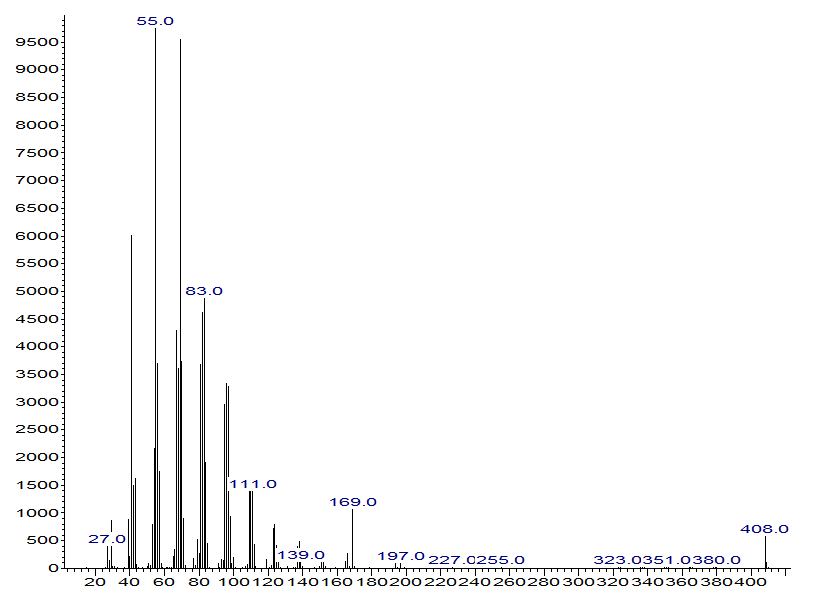
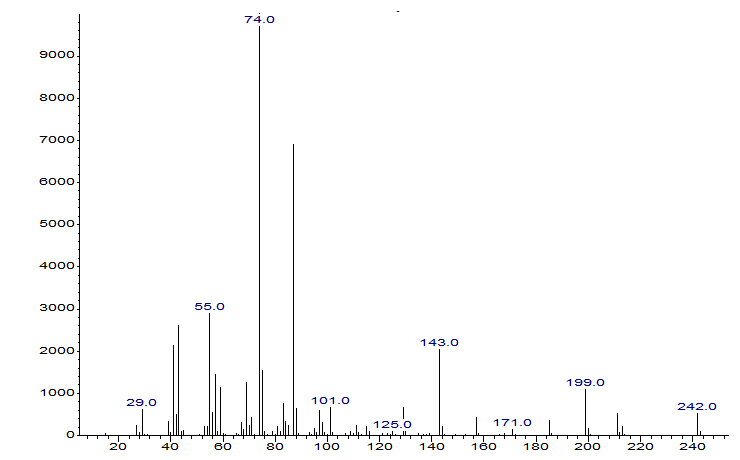
The Gas Chromatography - Mass Spectrometry (GC-MS) analysis of hydromethanolic Justicia carnea leaf extract further validated the qualitative phytochemical data. The GC-MS spectrum confirmed the presence ofvarious components with different retention times as illustrated in (Figures 1 and 2). Unlike the GC-MS ethanol analysis which confirmed only 6 compounds [18] in Justicia carnea, the present study identified a total of 9 physio-pharmacological compounds, representing 98.9% of total hydromethanolic extract composition of the entire GC-MS chromatogram as shown in (Table 2). This is a reflection of the superiority of hydro-alcohol [22] over other solvents in medicinal plant extraction studies. Importantly, at the molecular level, GC-MS analysis identified hexadecanoic acid (50.90%), methyl tetradecanoate (24.34%) and 9-octadecenoic acid (17.75%) as the abundant physio-therapeutic compounds in Justicia carnea hydromethanolic leaf extract. Beside toxic normal hydrocarbon- nonadecane (0.13%) in hydromethanolic extract of the leaf of Justicia carnea was identified, which have not been reported previously in the Justicia carnea samples.
able 3 depicts that cadmium significantly caused an increase in the activities of catalase (CAT), glutathione peroxidase (GPx), superoxide dismutase (SOD) and a decrease in malondialdehyde (MDA) in comparison with the positive control by 34.5%, 44.4%, 37.2% and 11.6% respectively. Administration of Justicia carnea alone or in combination with cadmium in a dose-dependent, significantly decreased malondialdehyde (MDA) (Table 3 columns 6 and 7) compared to control by, 28.2% and14% (or 23% compared to negative control)
respectively. This result suggests that Justicia carnea is effective in protecting cells against cadmium-induced

Figure 1. GC-MS chromatogram of -Tetradec-11-en-1-yl 2,2,3,3,4,4,4-heptafluorobutanoate in Justicia

Table 5: Justicia carnea modulation of cadmium induced changes in lipid profile
Groups | HDL (mmo/l) ± sem | % difference | LDL (mmo/l) ± sem | % difference | TC (mm0/l) ± sem | % difference |
Control | 2.01±0.09 | 3.00±0.03 | 8.60±1.07 | |||
CdCl2 Only | 1.56±0.06 | 22.4 | 3.21±0.01 | 7 | 10.98±1.44a | -27.6 |
100mg JC | 1.66ab±0.03 | 17.4 | 3.18a±0.21 | 6 | 7.58a±2.26 | 11.6 |
150mg JC | 1.70a±0.01 | 15.4 | 3.11ab±0.05 | 3.7 | 7.48a±2.26 | 12.8 |
200mg JC | 2.01b±0.23 | 0 | 2.82b±0.05 | 6 | 6.20±10.22 | 28 |
100mg (JC+CdCl2) | 1.94a±0.01 | 3.48 | 3.07ab±0.02 | 2.3 | 8.80a±4.35 | -2.3 |
150mg (JC+CdCl2) | 2.08b±0.13 | 3.5 | 3.02±0.04 | 0.7 | 6.00±2.83 | 30.2 |
200mg (JC+CdCl2) | 2.12b±0.14 | 5.5 | 1.60b±0.12 | 46.7 | 6.74a±1.48 | 21.6 |
Key: N= 5, a= mean significant difference relative to the normal control, b = mean significant difference relative to the negative control at p<0.05.
Figure 2. GC-MS chromatogram of Methyl tetra decanoate in Justicia Carnea
ROS production and resultant oxidative stress. Heavy metal like cadmium promotes reactive oxygen species and lipid peroxidation, suppression of antioxidant defence systems [11-13]. The pro-oxidative character of cadmium was probably reversed by co-administration of the extract as shown for 200mg/kg. Phenolic acids may function as antioxidants. Flavonoids are a class of phytochemicals with free radical scavenging properties [10-12]. Our result is also suggestive that Justicia carnea has the ability to antagonize the toxic effects of cadmium possibly through the antioxidant therapy attributable to high phenolic and flavonoids content [18,21,48] The result showed that combination of cadmium and Justicia carnea or Justicia carnea alone resulted in a decrease in lipid peroxidation, an indication of sensitivity of Justicia carnea, perhaps acting as a chelating agent against cadmium-induced cellular toxicity.
Time – dose dependent blood glucose lowering potential of Justicia carnea alone or in combination with cadmium are as depicted in (Table 4). Cadmium caused a marked increase in blood glucose level by 23% (Table 4 column 7]. Justicia carnea alone or in combination with cadmium improved blood glucose level after 6 weeks (Table 4 column 7). Cadmium can accumulate and result in toxicity to the kidney, liver, lungs, brain, testes, heart and central nervous system, and more so, even cause anaemia, and many more [2-4] [11-13]. Some plant-derived bioactive agents can improve blood glucose homeostasis [20,21,38,49,50]. Fasting blood glucose was significantly, progressively and dose-dependently reduced after independent and combined treatment with cadmium and Justicia carnea hydromethanolic extract. In other words, a combination of Justicia carnea and cadmium reduced cadmium toxicity effects in the body and thereby stimulate blood glucose production. Justicia carnea bioactive constituents may probably have increased the sensitivity of response of the hormone-secreting cells of pancreatic islets to blood glucose.
As depicted in (Table 5), cadmium caused significant increase in both low-density lipoprotein (LDL), and total cholesterol (TC) but significantly decreased high density lipoprotein (HDL) relative to control by 7%, 27.6% and 22.4% respectively. The level of HDL was significantly increased in the extract treatments alone and also in combination with cadmium. This significant positive improvement was dose dependent as summarized in (Table 5). Some plant-based bioactive agents can improve lipid profile [51]. Oleic acid (1.15%) component of the extract revealed by GCMS has the ability to mop up LDL and improve healthy serum level of lipid profile markers [52].
This study reported the officiousness of Justicia carnea hydromethanolic leaf extract in phytoremediation and detoxification of cadmium induced toxicity -oxidative cellular damage, hyperlipidemia and hyperglycemia in experimental rats. From the results, it is evident that the medicinal relevance of Justicia carnea can be traced to the abundant varieties of the biologically therapeutic compounds in the plant that plausibly could be therapeutically beneficial for preventing the deleterious health effects in humans resulting from exposure to heavy metals; including cadmium. These predominant exposure pharmacological compounds include hexadecanoic acid, methyl tetradecanoate, 9-Octadecenoic acid, flavonoids and phenols
Obianime, A.W., et al. "Toxic Air and Soil in Automobile Workshop Impact Negatively on the Health Status of Automechanics: The Nigeria Environment." International Journal of Pharmacy and Pharma, vol. 1, no. 3, 2017, pp. 1–7.
Uvoh, S.M., et al. "Determination of Blood Serum Lead and Cadmium Level During Pregnancy in Gas Flaring Communities of Bayelsa State, Nigeria." International Journal of Medical and Applied Sciences, vol. 10, no. 2, 2021, pp. 54–60.
Dum-awara, B.L., et al. "Long-Term Renal Function Following Exposure to Petroleum Environmental Pollutants in the Population of Ogoni Women, Niger Delta: A Possible Cellular Mechanism of Environmental Pollutants-Induced Nephrotoxicity." International Journal of Biological and Medical Sciences, vol. 4, no. 11, 2021, pp. 25–39
Dum-awara, B.L., et al. "Environmental Pollutants in Pregnancy and Neonates in the Population of Ogoni, Rivers State." International Journal of Research in Environmental Studies, vol. 8, 2021, pp. 55–60.
Adienbo, O.M., and A. Nwafor. "Effect of Prolonged Exposure to Gas Flaring on Some Haematological Parameters of Humans in the Niger Delta Region of Nigeria." Journal of Applied Sciences and Environmental Management, vol. 14, no. 1, 2010, pp. 13–15
Egwurugwu, J.N., and A. Nwafor. "Prolonged Exposure to Oil and Gas Flares Ups the Risks for Hypertension." American Journal of Health Research, vol. 1, no. 3, 2013, pp. 65–72
Nwafor, A., and B.M. Banigo. "A Comparison of Measured and Predicted Haemoglobin Genotype in a Nigerian Population in Bonny Rivers State." Journal of Applied Sciences and Environmental Management, vol. 5, no. 1, 2001, pp. 79–81.
Egwurugwu, J.N., et al. "Impact of Prolonged Exposure to Oil and Gas Flares on Human Renal Functions." International Research Journal of Medical Sciences, vol. 1, no. 11, 2013, pp. 9–16.
Rahimzadeh, M.R., et al. "Cadmium Toxicity and Treatment: An Update." Caspian Journal of Internal Medicine, vol. 8, no. 3, 2017, pp. 135–145
Rani, A., et al. "Cellular Mechanisms of Cadmium-Induced Toxicity: A Review." International Journal of Environmental Health Research, vol. 24, no. 4, 2014, pp. 378–399.
Genchi, G., et al. "The Effects of Cadmium Toxicity." International Journal of Environmental Research and Public Health, vol. 17, no. 11, 2020, p. 3782. doi:10.3390/ijerph17113782.
Egwurugwu, J.N., et al. "Prolonged Gas Flaring and Water Quality in Obiakpu-Egbema, Imo State, Nigeria." International Research in Environmental Sciences, vol. 2, no. 4, 2013, pp. 1–5.
Nwafor, A. "The Effect of Salt and Sugar Loading on Human Erythrocyte Plasma and Urinary Sodium and Potassium as a Function of Time and Membrane Potential." African Journal of Applied Zoology and Environmental Biology, vol. 3, 2001, pp. 22–25.
Nwafor, A., and W.T. Coakley. "The Effect of Diffusion Potential Change on Anionic Drugs Indomethacin and Barbitone Induced Red Blood Shape Change." African Journal of Biomedical Research, vol. 6, no. 2, 2003, pp. 95–100.
Nwafor, A., and W.T. Coakley. "Membrane Potential Change Effects on Cationic and Neutral Drug Induced Erythrocyte Shape Change and Cellular Uptake of Drugs." African Journal of Biomedical Research, vol. 6, no. 1, 2003, pp. 9–14.
Otuokere, I.E., et al. "Medicinal Studies on the Phytochemical Constituents of Justicia carnea by GC-MS Analysis." American Journal of Food Science and Health, vol. 2, no. 4, 2016, pp. 71–77.
Onyeabo, C., et al. "Haematological and Biochemical Studies on Justicia carnea Leaves Extract in Phenylhydrazine Induced-Anemia in Albino Rats." Acta Scientiarum Polonorum Technologia Alimentaria, vol. 16, no. 2, 2017, pp. 217–230.
Akintimehin, E.S., et al. "Safety Assessment of Oral Administration of Ethanol Extract of Justicia carnea Leaf in Healthy Wistar Rats: Hematology, Antioxidative, and Histology Studies." Clinical Phytoscience, vol. 7, no. 2, 2021, p. 1983.
Anarado, C.E., et al. "The Phytochemistry, Ethnomedicinal, and Pharmacology Uses of Justicia carnea Lindl Used in Traditional Medicine in Nigeria: A Review." South Asian Research Journal of Natural Products, vol. 4, no. 4, 2021, pp. 85–93.
Nworah, D.C., et al. "Comparative Characterization of Phytomedicinal Constituents of Xylopia aethiopica." American Journal of PharmTech Research, vol. 2, no. 2, 2012, pp. 706–712.
Iwuji, S.C., and A. Nwafor. "Phytochemical Identification in Chloroform Fraction of Aqueous-Methanol Extract of Cnidoscolus aconitifolius Leaves." British Journal of Pharmaceutical Research, vol. 5, no. 6, 2015, pp. 437–441.
Nwafor, A., et al. "High-Performance Thin-Layer Chromatography (HPTLC) Fingerprint Profile of Hydromethanolic Chloroform Extract of Xylopia aethiopica (Dunal) A. Rich (Annonaceae) Fruits." BMR Phytomedicine, vol. 1, no. 1, 2015, pp. 1–8.
Lyke, W.I., et al. "Investigation of Phytocomponents and Hypoglycaemic Effect of Hydromethanolic Leaf Extract of Cnidoscolus aconitifolius (Spinach Tree) in Streptozotocin Induced Diabetic Wistar Rats." Journal of Alternative Medicine Research, vol. 5, no. 3, 2018, pp. 1–9.
Ilochi, O., et al. "Neuroprotective and Antitoxic Potential of Hydromethanolic Extract of Allium cepa in Experimental Rats." European Journal of Pharmacy and Medical Research, vol. 5, no. 9, 2018, pp. 138–143.
Nwafor, A., and Owhoji, A. "Prevalence of Diabetes Mellitus Among Nigerians in Port Harcourt Correlates with Socio-Economic Status." Journal of Applied Sciences and Environmental Management, vol. 5, no. 1, 2001, pp. 75–77.
Nwafor, A., et al. "Relationship Between Blood Pressure, Blood Glucose, and Body Mass Index and Coexisting Prehypertension and Pre-Diabetes Among Rural Adults in Rivers State, Niger Delta Region, Nigeria." British Journal of Medicine and Medical Research, vol. 9, no. 7, 2015, pp. 1–12.
Chuemere, A.N., et al. "Correlation Between Blood Group, Hypertension, Obesity, Diabetes, and Combination of Prehypertension and Pre-Diabetes in School Aged Children and Adolescents in Port Harcourt." International Organization of Scientific Research Journal of Dental and Medical Sciences, vol. 14, no. 12, 2015, pp. 83–89.
Mmom, F.C., and A.N. Chuemere. "A Study of Incidence and Prevalence of Hypertension, Diabetes, and Obesity With Blood Type in Postmenopausal Females in Port Harcourt." Saudi Journal of Biomedical Research, vol. 1, no. 1, 2016, pp. 22–29.
Chuemere, A.N., Ogadinma, I., and C. Nwafor. "Evaluation of Blood Glucose-Regulating Potential of Honey, Coffee, and Vitamin E in Normoglycaemic Male Wistar Rats." Asian Journal of Research in Medical and Pharmaceutical Sciences, vol. 4, no. 4, 2018, pp. 1–7.
Asuquo, E.A., et al. "Prolonged Effect of Niger Delta Honey on Blood Glucose and Haematological Parameters in Alloxan-Induced Diabetic Rats." International Journal of Biochemistry Research and Review, vol. 21, no. 4, 2018, pp. 1–10
Ogadinma, I., and A.N. Chuemere. "Neuroprotective Potential of Avocado Peel Correlates With Antioxidant Status in Starvation and Refeeding in Wistar Rats." World Wide Journal of Multidisciplinary Research and Development, vol. 5, no. 1, 2019, pp. 70–74.
Nwoke, K.U., et al. "Profile of Biochemical and Oxidative Stress Markers in Male Athletes Following Strenuous Exercise Session." Asian Journal of Medicine and Health, vol. 17, no. 4, 2020, pp. 1–10.
Ifedi, C.I., A.N. Chuemere, and O.J. Olorunfemi. "Investigation of Cortisol Pattern Oxidative Stress Markers’ Activity in Anxiety/Depressive States of Stress-Evoked Wistar Rats." World Journal of Pharmacy and Pharmaceutical Sciences, vol. 10, no. 10, 2021, pp. 174–187.
Onoja, D.Y., et al. "Dose-Dependent Effect of Avocado Peel Hydroethanolic Extract on Antioxidant Status of Heart and Kidney Tissue Homogenates in Wistar Rats." Journal of Advances in Medical and Pharmaceutical Sciences, vol. 19, no. 3, 2018, pp. 1–6.
Ilochi, O.N., et al. "Evaluation of Anti-Hyperglycaemic Potential of Allium cepa, Coffee, and Oxidative Stress." International Journal of Biochemistry and Physiology, vol. 3, no. 1, 2018, p. 000116.
Chuemere, A.N., et al. "Evaluation and Predictor Ratio of Toxicity of Aluminium-Tainted Water Impact Male Rats: Oxidative Stress in Heart and Kidney." Science & Technology, vol. 4, 2018, pp. 183–188.
Nwafor, A., et al. "Relation of Serum Total Cholesterol, Body Mass Index, and Blood Pressure as Cardiovascular Risk Conditions Among Normotensive and Hypertensive Type 2 Diabetes Mellitus Females in Port Harcourt." African Journal of Medical Sciences, vol. 4, no. 1, 2011, pp. 1–6.
Egwurugwu, J.N., et al. "Effects of Prolonged Exposure to Gas Flares on the Lipid Profile of Humans in the Niger Delta Region, Nigeria." American Journal of Research Communication, vol. 1, no. 5, 2013, pp. 115–145.
Akangbou, P.C., et al. "Impairment of Cardiovascular Function Indices in Male Rats Induced by Aluminium-Tainted Water: Atherogenic Indices and Predictor Ratio Assessment." Discovery, vol. 54, no. 275, 2018, pp. 442–446.
Ilochi, O.N., and A.N. Chuemere. "Gas Chromatography Mass Spectrometry Investigation and Minerals, Proximate Components and Their Relationship on Hydromethanolic Extract of Unripe Musa sapientum Peel and Pulp." International Journal of Biomedical Investigation, vol. 3, no. 2, 2020, pp. 1–10.
Ogadinma, N., et al. "Gas Chromatography – Flame Ionization Detector Phytochemical and Quality Control of Unripe Musa sapientum Peel and Pulp Through UV-Vis Spectrophotometric Analysis." International Journal of Molecular Biology and Biochemistry, vol. 3, no. 1, 2021, pp. 14–18.
Iyke, W.I., et al. "Investigation of Phytocomponents and Hypoglycaemic Effect of Hydromethanolic Leaf Extract of Cnidoscolus aconitifolius (Spinach Tree) in Streptozotocin-Induced Diabetic Wistar Rats." Journal of Alternative Medicine Research, vol. 5, no. 3, 2018, pp. 1–9.
Iwuji, S.C., et al. "Comparative Characterization of the Phytomedicinal Constituents of Cnidoscolus aconitifolius Leaf Extracts." American Journal of PharmTech Research, vol. 3, no. 1, 2013, pp. 779–780.
Udedi, S.C., et al. "Effects of Ethanol Leaf Extracts of Justicia carnea on Reproductive Function of Male Wistar Albino Rats." Journal of Pharmacy and BioSciences, vol. 15, no. 5, 2020, pp. 09–20.
Nworah, D.C., et al. "A Comparative Study of Nutritional and Electrolyte Qualities of Xylopia aethiopica in Novel Hydro-Alcoholic Formulations." American Journal of Pharmaceutical Research, vol. 2, no. 5, 2012, pp. 342–353.
Agbai, E.O., et al. "The Beneficial Effects of Methanol Extract of Annona muricata Seeds on Acute Haemolytic Anaemia in Albino Wistar Rats." Journal of Medical Sciences and Clinical Research, vol. 2, no. 5, 2014, pp. 958–967.
Agabai, E.O., et al. "Effect of Aqueous Extract of Annona muricata Seed on Atherogenicity in Streptozotocin-Induced Diabetic Rats." African Journal of Pharmacy and Pharmacology, vol. 9, no. 30, 2015, pp. 745–755.
Ilochi, O.N., and A.N. Chuemere. "Progressive Changes in Gait, Kinematic, Horizontal and Vertical Activities in Response to Oleic Acid and Heavy Metal Exposure." Asian Journal of Advanced Medical Sciences, vol. 3, no. 4, 2021, pp. 232–241