Resonant leadership and its role in achieving organizational success: An Exploratory study of the opinions of a sample of employees of the Baghdad Municipality-Baghdad Water Department-Southern Reservoir
Muthana M. Saeed
1
1
1College of Administration and Economics, University of Fallujah, Iraq
This research aims to identify the role that resonant leadership plays in achieving organizational success among the employees of Baghdad Municipality (Baghdad Water Department). It also seeks to identify the level of organizational success among these employees and to determine the correlation between the degree of availability of resonant leadership dimensions and the level of organizational success. The research population was selected from the Baghdad Municipality's Southern Reservoir Water Department. The descriptive-analytical method was employed, utilizing SPSS program for data analysis via an electronic questionnaire. The sample consisted of (64) employees from the Baghdad Municipality's Southern Reservoir Water Department. The research concluded that a statistically significant correlation (α≤0.05) was found between the degree of availability of resonant leadership dimensions among employees of Baghdad Municipality's Southern Reservoir Water Department and the department's perceived level of organizational success. In conclusion, resonant leadership is the cornerstone of any organization's success. By developing outstanding leaders who embody these essential qualities and continuously strive for improvement, organizations can build a solid foundation for sustainable growth and success.
Keywords
Resonant Leadership
Organizational Success
Baghdad Municipality
Baghdad Water Department
INTRODUCTION
Organizational performance is closely linked to leadership performance. Given the significant pressures and challenges facing organizations today, in an increasingly fast-paced and complex environment, the need for effective leadership has become evident. This leadership must be capable of transforming weaknesses into strengths and simultaneously leading the way in its field. To motivate an organization, it must have a resonant leadership that can effectively communicate its image to employees at all administrative levels. This vision can foster an environment of participation, encouraging the exchange of new and innovative ideas and creating all the necessary conditions for achieving excellence [1]. Resonant leadership is considered one of most prominent modern leadership styles and approaches, despite its theoretical frameworks presented by Boss in 1985. These frameworks advocate relying on emotional intelligence to achieve harmony and compatibility with subordinates and as a fundamental element in guiding individual behaviors within the organization. This approach directs individuals towards abandoning old habits and embracing new values, practices and methods, while also fostering vision and compassion. It motivates them to adapt to change and guides them towards achieving the organization's goals and their own objectives [2]. Therefore, it is crucial to study the role of organizational success from the perspective of employees in the Baghdad Municipality-Baghdad Water Department, Southern Reservoir, who represent the backbone of one of Baghdad's important service institutions. The study examines the extent to which the department achieves organizational success criteria, including administrative efficiency, organizational effectiveness and its organizational reputation, all of which contribute to its continuity, survival and organizational growth [3]. Intense competition across all sectors of today's society places immense pressure on leaders and organizational members. A range of emotional problems, such as burnout, emotional conflict, anxiety, depression and even suicide, are common and have sparked considerable debate. In this new era of organizational emotional crises, traditional leadership styles face ongoing challenges and skepticism. Consequently, people are beginning to question what kind of leadership style is needed. Resonant leadership theory posits that leadership is a two-way, interactive process between leaders and subordinates and that emotions, as the link between individuals, play a crucial role in this interaction [4].
METHODOLOGY
Research Problem
Successful organizations strive to study and understand all the challenges they face in order to ensure job satisfaction, organizational loyalty and a high level of harmony and mutual trust among employees. They have a direct impact on the lives of citizens. In today's world, characterized by numerous changes and developments, this characteristic has become fundamental to the work of organizations, especially given the increasing number of tasks assigned to them. This has led to increased efforts and work by employees to achieve their goals of serving society in general, as well as building successful organizations with conscious leaders capable of building and raising the morale of their employees.
From a practical standpoint, the research problem manifested itself through a study of operational capacity of public sector organizations, including the Baghdad Municipality, the Baghdad Water Department and the Southern Reservoir. The researcher observed that these organizations, given the immense professional responsibility entrusted to them, which directly impacts the service provided to citizens and their interests, suffer from several problems. The most prominent of these is the leadership structure and style they adopt, specifically the use of positive leadership to ensure the success of their employees. To enhance public services, it is essential to identify the optimal leadership style to achieve maximum organizational success. This success can only be achieved through positive and effective leadership characterized by strength, inspiration and the ability to generate enthusiasm، Resonant leadership acts as a guide for others, encouraging them to strive for excellence and prosperity, ultimately leading to greater success for everyone and motivating them to deliver their best performance. Given the gap in the literature regarding the role of resonant leadership in achieving organizational success, this research attempts to bridge this gap by answering the central research question: What is the role of resonant leadership in achieving organizational success? The research questions are defined as follows:
To what extent do the leaders of Baghdad Municipality-Baghdad Water Department-Southern Reservoir recognize the importance of resonant leadership, its dimensions and its role in achieving organizational success?
What mechanisms do the leaders of Baghdad Municipality-Baghdad Water Department-Southern Reservoir possess that they will use to achieve organizational success for the staff within the department under study?
What is the level of relationship between resonant leadership and organizational success from the perspective of staff of organization under study and does this relationship play a role in enhancing the organization's ability on achieve organizational success?
Importance of the Research
The research derives its importance from the significance of its variables and the nature of the relationships between them. The importance of the research can be illustrated through the following points:
Diagnosing the extent to which the organization under study adopts resonant leadership and organizational success
Measuring the role of resonant leadership in achieving organizational success in the Baghdad Municipality-Baghdad Water Department, Southern Reservoir
The current research contributes to enhancing and developing the leadership skills of the organization under study through a set of conclusions and recommendations that reinforce the concepts of resonant leadership and organizational success within it
The importance of the research is evident in increasing and deepening the understanding of the organization’s leaders in the Baghdad Municipality-Baghdad Water Department-Southern Reservoir with important concepts such as resonant leadership and organizational success in order to benefit from them effectively in order to achieve organizational success and excellence for its employees?
Research Objectives
Based on the research problem, its significance and its questions, the research objectives can be expressed as follows:
This research aims to build a comprehensive knowledge framework about the two research variables (resonant leadership and organizational success) and their dimensions. This will help the leaders of the organization under study to clarify the concept of resonant leadership and its importance in achieving organizational success
This research aims to diagnose the current situation of the Baghdad Municipality-Baghdad Water Department-Southern Reservoir and to determine the extent to which its leaders are committed to adopting resonant leadership and its role in achieving organizational success
To test the relationship and impact of the dimensions of resonant leadership on organizational success within the organization under study and to determine whether this relationship is positive or negative.
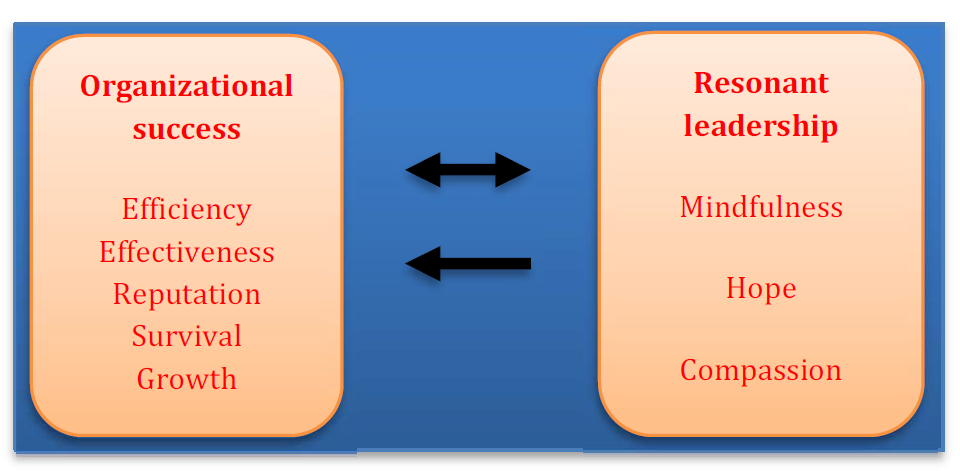
Figure 1: Default Search Diagram Source: Prepared by the researcher
The Hypothetical Research Plan
The main objective of the hypothetical research scheme is to demonstrate the logical relationship between the main and related sub-variables of research, which embody the adopted research hypotheses. Therefore, Figure 1 illustrates the hypothetical scheme and the current correlation and influence relationships between the two research variables, which are represented as follows:
Independent Variable: Resonant Leadership, represented by its dimensions (Mindfulness, Hope, Compassion)
Dependent Variable: Organizational Success, represented by its dimensions (Efficiency, Effectiveness, Reputation, Survival, Growth)
Research Hypotheses :Based on the research problem and its objectives, the following research hypotheses can be formulated and tested to answer the research questions and achieve its objectives:
The First Main Hypothesis (H0): There is no statistically significant positive correlation between resonant leadership and its dimensions (mindfulness, hope and compassion) and organizational success at the Baghdad Municipality-Baghdad Water Department
Three sub-hypotheses stem from this main hypothesis, as follows:
The First Sub-Hypothesis (H0): There is no statistically significant positive correlation between the mindfulness dimension and organizational success
The Second Sub-Hypothesis (H0): There is no statistically significant positive correlation between the hope dimension and organizational success
The Third Sub-Hypothesis (H0): There is no statistically significant positive correlation between the compassion dimension and organizational success
The Second Main Hypothesis (H0): There is no statistically significant positive relationship between resonant leadership and its dimensions (mindfulness, hope and compassion) and organizational success at the Baghdad Municipality-Baghdad Water Department.
Three Sub-Hypotheses: Stem from this main hypothesis, as follows:
The First Sub-Hypothesis (H0): There is no statistically significant positive relationship between the mindfulness dimension and organizational success
The Second Sub-Hypothesis (H0): There is no statistically significant positive relationship between the hope dimension and organizational success
The Third Sub-Hypothesis (H0): There is no statistically significant positive relationship between the compassion dimension and organizational success
Research Scope
The research scope includes the following:
Temporal Scope: The research scope covers the period from September 2, 2025, to May 1, 2026
Spatial Scope: The research scope includes the Baghdad Municipality-Baghdad Water Department. The Baghdad Municipality-Baghdad Water Department (Southern Reservoir) is one of public departments affiliated with the Baghdad Municipality in the Iraqi capital, Baghdad and provides public services to many citizens in various areas of Baghdad
Human Scope: The total number of employees in the research population is (64), representing engineers, technicians and administrators working in the organization under study
Theoretical Aspect
Resonant Leadership
The Concept of Resonant Leadership: In the midst of competition and the pursuit of success, organizations adopt leadership styles imbued with social and humanistic values. These styles aim to promote comfort and reassurance and to gain the goodwill and approval of their employees through their active role in leading the organization [5]. In this context, resonant leadership, as formulated by Boyazis and McKee [6], is a concept derived from Goleman's concept of emotional intelligence. It goes beyond mere numerical management, focusing instead on creating a positive emotional tone that motivates employees toward a shared goal. This reduces organizational "noise" (conflicts, frustration) and increases "resonance" (harmony, productivity) [4]. When explaining the concept of resonant leadership, we find that the word "resonance" is derived from the Latin term "resonare" The Oxford Dictionary of Resonance explains that it is "an echo, a ring or the extent of influence on individuals within an organization." Thus, leadership is the process by which a leader influences a group of individuals to achieve a common goal for both the organization and the individuals [7].
The concept of resonant leadership stems from the concept of emotional intelligence, which encompasses self-awareness, self-management and effective communication between leaders and their teams. It also involves creating a positive and harmonious work environment where everyone feels valued and motivated to perform at their best [8]. In this context, resonant leaders, a subcategory of transformational leaders, set new goals even under challenging circumstances. They inspire hope rather than reacting in a discouraging or anxiety-inducing manner. These leaders motivate others in a powerful, enthusiastic and purposeful way, working in harmony with them [9]. Resonant leaders are known for their empathy and ability to create enabling work environments that facilitate job satisfaction and inspire others to achieve organizational success and positive outcomes. However, as a new and emerging concept [10]. Pau explains that resonant leadership is a positive leadership style based on the quality of relationships between employees, empowering them and instilling reassurance and trust. The essence of resonant leadership lies in three main dimensions: mindfulness, hope and empathy, achieving a state of harmony with oneself, others and the environment through positive emotional connection with subordinates [11]. Bao [11] explains that resonant leadership is a positive leadership style based on the quality of relationships between employees and their empowerment and instilling a sense of reassurance and confidence in them، the essence of resonant leadership lies in three main dimensions: mindfulness, hope and empathy, in most studies and research, in order to achieve a state of harmony with oneself, others and the environment through positive emotional communication between the leader and subordinates. They coined the concept of "resonant leadership," explaining that "resonance" refers to harmony or synchronicity between two people, while dissonance refers to creating discordant sounds. Dissonant leadership generates a feeling of dissonance and psychological distress among employees [12].
The Importance of Resonant Leadership
Many organizations have seen their influence wane or disappear due to weak leadership or poor management, stemming from their neglect of crucial human and social aspects. Consequently, they have lost touch with their employees, prompting organizations today to reconsider their leadership style in light of environmental changes and employee aspirations [10]. Hence, this leadership style gained significant importance through its strong focus on building relationships between the leader and followers, with the necessity of focusing on developing more positive and resonant patterns to build harmony among team members and to build mutual trust and respect. It also places great importance on empathy, active listening, understanding the need for mutual communication and delegating tasks [9]. In other words, improving their skills in areas such as self-awareness (recognizing their feelings, knowing their strengths and limitations), self-management (the ability to control their feelings, their resilience and their adaptability), social awareness (empathy, organizational care and responsibility) and relationship management [13].
Resonant leadership views things from the perspective of emotional intelligence and relies on mindfulness, hope and emotion. It fosters organizational sovereignty and hope in the workplace through mindfulness and helps leaders manage their own emotions and those of their employees [14]. The importance of resonant leadership for organizations lies in its focus on employees and their perceptions, instilling enthusiasm and positive feelings to motivate them to perform at their best [15]. It also provides autonomy by empowering employees to access opportunities, information and resources, leading to high job satisfaction and active participation in achieving common goals and performing at their best in all situations [16]. In addition, Boyatzis and McKee [6] emphasized that resonant leadership has the ability to promote self-management, develop self-awareness and raise emotional intelligence among employees. It also has the ability to develop and enhance self-awareness and relationship management competencies, which can lead to increased and widespread positive confidence, create a sense of resonance among employees, motivate them in the workplace, reduce job stress, lower their anxiety and thus increase productivity, raise morale and achieve job satisfaction.
Dimensions of Resonant Leadership
Mindfulness: Mindfulness refers to a leader's ability to manage employees and the organizational environment. It also reflects the degree of sensory awareness leaders possess in analyzing situations and emerging events, making them open to new developments [17]. Mindfulness is also a precise indicator of an individual's ongoing expectations and deep thinking, their reliance on experience, their appreciation of nuanced situations within their context and their ability to identify new aspects that can enhance their insight, performance and career path through social interactions [18].
Hope
In the context of positive psychology, hope is described as a "positive motivational state" based on a reactively derived feeling of success, the ability to act (goal-directed energy) and the capacity for action (planning to achieve goals). Snyder et al. defined it as "willpower" (capabilities) or determination to achieve goals and "pathpower" (paths) or planning to achieve goals [19]. It can be described as the feeling of positive energy that workers gain from their awareness of importance of cooperation and the spirit of tolerance, where hope is born and the state of perseverance tends to determine directions and proper planning in order to reach the desired goals [13].
Compassion
Taner and Aysen [13] state that organizational compassion requires organized observation, feeling and response. Organizational systems, technology and the nature of organization's design all contribute to this. Feelings can lead to empathy towards individuals and here, organizational culture and practices have a significant impact [13]. There are a variety of individual, relational and organizational factors that influence how individuals understand empathy processes at work. At the individual level, personality differences affect empathy, as traits such as openness and friendliness are associated with empathic feeling [20]. An individual's organizational role can also affect empathy, as jobs with a high emotional load may create empathy burnout, limiting an individual's ability to empathize. High-level professional roles are also restrictive because they tend to restrict the open expression of feelings [21].
Organizational Success
The Concept of Organizational Success: In English, according to the Merriam-Webster dictionary, "success" means "achieving the best or achieving excellence." In French, according to Robert, success means "achieving a new result and the means to reach the top." Regarding Organizational Success (OS), growth is an indicator for measuring it. It signifies the efficiency or ability of an organization to achieve its long-term goals through expansion, renewal and survival [22]. According to the Random House Dictionary, success is "a positive result sought or hoped for" and "the accomplishment of what is sought or intended." A closer examination of these definitions reveals that success is linked to goal-oriented behavior. Therefore, the concept of "neglect" is crucial for understanding the meaning of success [23]. Organizational success is defined as the ability of a person at the top to influence the organization through multiple channels, permeating the hierarchy and thus having a strong impact on organizational performance. Organizational success can also be broadly defined as "certain key areas of activity where favorable outcomes are essential" [24].
Their views on this important concept are varied. Some view it as organizational success, others as competitive or strategic success, some refer to it as long-term success and others as operational success Ultimately, however, it refers to organizational success in its comprehensive sense, meaning that success is the ultimate goal that organizations strive to achieve through their individuals and organizational units, using and applying numerous administrative and technical methods to reach it [25]. Wong et al. [26] describe organizational success as the value and level of service provided to meet the requirements of both the organization and the customer. Hamidi [27] defines organizational success as: “A function that depends on the organization’s ability, efficiency, readiness and desire to achieve its goals, through employing highly competent and experienced individuals, taking into account the professional needs of employees and how some factors affect the performance of individuals [27]. Organizational success is the ability to achieve and create goals for the organization, as well as its continued ability to maintain competitiveness through vision, goals, planning, processes, continuous improvement, high culture and strategic leadership [28]”.
The Importance of Organizational Success
The success of organizations depends primarily on their talents, deliberate practice, beliefs, effort and individual physical and psychological capabilities. This repeated success does not depend on talent alone (i.e., innate competence) but rather on how effectively these individuals build and maintain working relationships with a systematic set of social factors (such as coaches, managers and administrators), support (such as scientific, technical and technological expertise) and networks (such as personal social support) to improve effective participation and daily productivity [29]. Furthermore, another important factor is the need to view organizations as more than just organized associations aiming to promote success. Organizations are increasingly responsible for their role in developing and maintaining cultures that foster a duty of care and well-being for all individuals within their sphere of influence and as agents of change toward social responsibility, diversity and equity [30].
Organizations must perform certain tasks to be successful at every stage of their growth. These six main tasks or dimensions, are all supported by: identifying and defining a viable market; developing products or services for the chosen market niche; acquiring and developing the resources required to operate the business; developing the management systems necessary for the organization's long-term operation; and cultivating an organizational culture that management feels is essential to guiding the company [31]. Furthermore, organizational success is directly proportional to return on investment. The effective utilization and retention of potential employees represents Motivating employees is one of biggest challenges facing organizations. Employee motivation is one of emerging concepts that will address the many challenges and difficulties facing organizations, such as employee turnover, customer loyalty and satisfaction, profitability, productivity and employee-related variables such as absenteeism, individual performance and flexibility [32]. One of most important factors in an organization's success is its ability to adapt to and integrate with changing circumstances while maintaining its focus on its business vision. The organization's vision is crucial in determining the need for change or the necessity of maintaining the status quo. For an organization to be successful, it must possess certain characteristics, including the ability to adapt to new processes [33]. Various organizations can study the different factors influencing their success and adapt the conditions and characteristics of organizations that have achieved success in various fields. They consider the key elements of organizational success among the influencing factors, select the main components of success based on potential environmental and institutional capabilities and constraints and ensure their success by investing in these factors [34]. Finally, the importance of organizational success can be demonstrated by enabling organizations to cope with rapid and unexpected environmental and technological changes and by the ability of organizations to develop and implement plans and policies correctly, which helps them achieve the organization’s goals in the short or long term and to increase employee motivation, raise morale and encourage creativity and innovation.
Dimensions of Organizational Success
Organizational success encompasses several dimensions. For this research, the studies of Aziz [35] were relied upon, which included the following dimensions:
Efficiency: Efficiency means the rational use of available human, financial, material and informational resources, maximizing the utilization of available capabilities and achieving the highest level of performance so that organizations can effectively achieve their desired goals [36]. Parra-Luna [37] views it as a set of behaviors possessed by employees, whether social, emotional, psychological or sensory skills, that allow them to perform their work or job effectively and comprehensively. Organizational efficiency can be divided into technical efficiency, operational efficiency and allocation efficiency. Therefore, it is appropriate to measure organizational efficiency using what are called the three partial performance indicators: productivity, operational efficiency and profitability [38]. Hamdan [39] defined efficiency as the ratio of inputs to outputs. Efficiency can be measured through economics, which refers to how planned objectives are achieved; cost and its role in increasing or decreasing organizational efficiency; leadership and the leadership's belief in the organization's vision and mission and finally, the administrative role, which represents the ratio of costs to revenues
Effectiveness: This term is derived from the term "influence" and is used within the framework of cause-and-effect relationships. Effectiveness is defined as the degree to which an organization achieves its objectives and its ability to utilize its limited resources to achieve a measurable goal [40]. Effectiveness is also defined as the art of striving to achieve dynamic goals while working with materials that have not yet been formulated. An effective organization is one whose systems can adapt to the changing environment and knows how to continuously renew itself in a timely manner [41]
Reputation: Previous studies in management and organizational science have presented several different perspectives on organizational reputation and its formation. The first perspective, rooted in information and signal economics, focuses on the second. The second perspective emphasizes strategic management analyses of reputation as an intangible asset [42]. The third and fourth perspectives refer to the macro-cognitive (collective) and micro-cognitive (individual) aspects of reputation, respectively. The fifth perspective, grounded in cultural sociology, focuses on social and political processes, while the sixth and final perspective emphasizes the formative role of communication and interactions in reputation formation [43]
Survival: Organizational survival refers to its ability to continue existing despite difficulties, challenges and risks. In other words, survival can be considered the absence of failure. An organization fails when it is unable to meet the challenges or threats posed by its competitors or environment [44]. Organizations, like living organisms, prioritize survival (the ability to continue operating) To sustain long-term success. Contrary to popular belief, survival is a determining factor, when understood broadly, it can encompass and enhance performance objectives such as growth. Enterprise Resource Planning (ERP) factors such as efficiency, resilience and prominence are key to achieving survival [45]
Growth: Growth is not a one-off event; it is the result of decisions such as hiring decisions, decisions to increase production in response to demand, decisions to stimulate demand and so on. The relationship between specific decisions and the eventual expansion of organization may be indirect. Therefore, organizational growth can only be achieved if its increase in size is positively linked to achieving the organization's goals or the goals of its members [46]. This includes organizational success in achieving long-term goals, such as maintaining high performance levels and achieving sustainable growth. We must also adopt a multifaceted approach that includes a clear vision and mission, strong leadership, active employee engagement and a customer-centric approach [47]
The Relationship Between Effective Leadership and Organizational Success
Given the lack of empirical studies examining the relationship between effective leadership and organizational success, this research paper aims to fill this gap by presenting both theoretical and empirical research. This research is divided into several sections. The first section reviews the literature related to resonant leadership and organizational success. This section clarifies the relationship between the two research variables by developing a matrix that illustrates the nature of this relationship [48]. Resonant leadership plays a pivotal and crucial role in organizational success. Resonant leaders inspire, empower and motivate their teams to work in a positive environment and encourage innovation [49]. They provide clear guidance, make informed decisions and possess the ability to overcome challenges and changes. Resonant leadership is not limited to managing daily operations but also includes strategic planning for the future [50]. The ability to adapt and respond to changes in the market, technology and regulations is critical [51]. Organizational success no longer depends solely on material resources but also on leadership capabilities that foster human capital and openness to new information, leading to increased awareness and innovation among employees. Resonant leadership directly impacts employee well-being, as leaders strive to provide a secure and safe work environment. This reduces resistance to change and increases the achievement of the organization's strategic goals [6]. Resonant leadership also reinforces the sense of importance of organizational goals and focuses on persuading employees to achieve them rather than controlling them. This makes employees feel valued by the organization, resulting in increased emotional and professional engagement and the development of strong, impactful relationships, leading to increased productivity-the essence of organizational success [8]. Furthermore, success is not limited to profitability; it also encompasses the ability to withstand and thrive during crises. Resonant leadership acts as a "buffer," protecting the organization from internal collapse during external pressures, thus ensuring the sustainability of success [52]. Based on the above, a matrix can be developed illustrating the relationship between resonant leadership and organizational success.
The Practical Aspect of the Research
Demographic Data:
Gender: As can be seen from the data in Table 1, the male category is dominant in the study sample, representing (64.06%) with (41) individuals, while the female category represents (35.94%) with (23) individuals. This is attributed to the nature of work environment in which the study was conducted, which is predominantly male.
Age
Table 1 shows that the sample was distributed across four age groups. The (41-50) age group came in first place with (42.19%) with (27) individuals, followed by the (31-40) age group with (37.50%) with (24) individuals. The least represented age groups were the (51-60) age group with (10.94%) with (7) individuals and finally the (under 30) age group with (9.38%) with (6) individuals. This distribution reflects that the majority of sample are in the stage of professional contribution and intellectual maturity.
Educational Attainment
Table 1 shows that the data indicates that the largest percentage of the sample holds a bachelor's degree (59.38%), followed by a diploma (34.38%). So we are persuaded that the sample is knowledgeable and is able to use the questionnaire as a research instrument.
Years of Service
Experience in the sample was unevenly distributed with the largest group being made up of 21 persons with 16-20 (years of service (32.81%) followed by 16 people with 11-15 years of service (25%) and 13 people with 6-10 years of service (20.31%). There were) 6.25% (from the 1-5 year-old and 6.38% from the 21-25 year-old age groups, 4 people in each. 9.38% came from the 26 year-old and above age bracket, 6 people in the group. This mix of ages strengthens the research by blending the energy of the younger generation with the wisdom of more experienced leaders.
Training Courses
Table 1 shows that the highest percentage of sample (45.31%) completed (6 to 10) training courses, while (28.13%) of them completed (11) training courses or more and the percentage of those who completed (1-5) training courses was (26.56%), which indicates the duration of organization’s commitment to developing its staff and that the members of research sample possess technical and technological skills supported by specialized training programs, which reflects positively on the performance of employees.
Table 1: Demographic Characteristics of the Research Sample
Introductory Information
Category
Number
Percentage
Gender
Male
41
64.06
Female
23
35.94
Total
64
100
Age
30 years old or younger
6
9.38
31-40
24
37.50
41-50
27
42.19
51-60
7
10.94
Total
64
100
Educational Attainment
Diploma
22
34.38
Bachelor's
38
59.38
Master's
4
6.25
Total
64
100
Years of Service
1-5
4
6.25
6-10
13
20.31
11-15
16
25
16-20
21
32.81
21-25
4
6.25
26 years and older
6
9.38
Total
64
100
Training Courses
1-5
17
26.56
6-10
29
45.31
11 or more
18
28.13
Total
64
100
Source: Outputs of the SPSS V.26 program
Presenting and Analyzing the Research Sample's Views on the Dimensions of (Resonant Leadership)
This section presents an analysis of research sample's responses to the dimensions of resonant leadership.
Mindfulness
The results presented in Table 2 demonstrate a strong positive outlook and a significant level of acceptance within the research sample. The arithmetic mean reached (3.956), clearly exceeding the hypothetical mean of (3),This high value reflects a deep understanding among the sample of pivotal role of mindfulness as a cornerstone for fostering effective leadership. The studied group acknowledged the crucial role of mindfulness as a foundation for building effective leadership.
The standard deviation of (0.545) indicates the homogeneity of opinions within the research sample, further confirmed by the low coefficient of variation (13.785%). This demonstrates the stability of trends and the low degree of dispersion. The relative importance of this dimension, at (79.110%), reinforces these results, a high percentage that underscores its vital role within the organization under investigation.
Table 2: Illustrates the Description for the Mindfulness Dimension
Paragraph
Meaning
Standard Deviation
Coefficient of Variance
Response Rate
He is committed to protecting employees from life-threatening risks.
4.031
0.689
17.100
80.626
He addresses undesirable employee behavior patterns.
4.063
0.531
13.066
81.250
He responds to suggestions and initiatives aimed at improving current practices.
3.906
0.750
19.200
78.126
He develops organizational strategies to adapt to diverse environmental conditions.
4.078
0.783
19.196
81.562
He values employee perspectives.
3.766
0.729
19.361
75.312
He analyzes the external work environment to identify what is beneficial to the organization.
3.781
0.826
21.833
75.626
He establishes guiding principles to ensure the most effective work plans.
3.922
0.697
17.773
78.438
He addresses early signs of inappropriate employee behavior.
3.906
1.003
25.689
78.124
He examines community needs and aspirations relevant to the organization's work.
4.031
0.890
22.085
80.626
He fosters a culture of rational thinking among employees.
3.984
1.031
25.879
79.688
He develops future plans to prepare for unforeseen circumstances.
3.859
0.990
25.649
77.188
He makes proactive decisions to anticipate potential problems.
4.156
0.821
19.747
83.124
He stays informed about the world surrounding the organization.
3.938
0.871
22.110
78.750
Total
3.956
0.545
13.785
79.110
Source: Outputs of the SPSS V.26 program
Hope
The analysis results presented in Table 3 show widespread acceptance and a notable positive attitude towards the dimension of hope among the research sample. The arithmetic mean recorded a high value of (3.997), significantly higher than the hypothetical mean of (3). This result reflects the sample's deep understanding of dimension of hope and their agreementon the questions related to it, considering it a cornerstone in building an effective and positive leadership model. Regarding statistical dispersion, the standard deviation value was (0.437), reflecting a high degree of consistency in the research viewpoints. This is further supported by the low coefficient of variation of (10.931%), indicating the stability and homogeneity of beliefs. The relative importance of this dimension reached (79.930%), a high percentage that demonstrates its intrinsic value in the research topic.
Table 3: Illustrates the Description for the Dimension of Hope
Paragraph
Meaning
Standard Deviation
Coefficient of Variance
Response Rate
It fosters good morals among employees.
3.906
0.771
19.734
78.126
It encourages cooperation among employees in achieving desired goals.
3.938
0.560
14.220
78.750
It strives to achieve set objectives.
3.938
0.753
19.131
78.750
It cultivates ethical values among employees.
4.094
0.729
17.796
81.876
It involves employees in achieving desired goals.
3.984
0.724
18.160
79.688
It demonstrates optimism and hope towards oneself and others.
4.094
0.660
16.120
81.876
It is optimistic about the possibility of achieving desired future goals.
4.109
0.669
16.291
82.188
It enhances the work environment among employees.
4.000
0.713
17.818
80.000
It ignores despair, no matter how limited the available options may be.
3.906
0.791
20.254
78.126
Total
3.997
0.437
10.931
79.930
Source: Outputs of the SPSS V.26 program
Compassion
The results presented in Table 4 show that the dimension of compassion enjoyed a high level of acceptance and positive attitudes among the research sample. The overall arithmetic mean recorded a high value of (4.073), which is clearly higher than the hypothetical mean (3). This reflects the deep awareness among the research sample of importance of human relations as a fundamental pillar of effective leadership. Regarding the dispersion of responses, the standard deviation value (0.585) indicates a high degree of relative homogeneity in opinions. This is further supported by the low coefficient of variation value of (14.372%), which confirms the stability and clarity of research sample's positions. The relative importance of this dimension reached (81.458%), a high percentage that reflects the significant weight this dimension carries in the administrative practices and practical reality of research sample and the extent to which the organization's leaders possess an ethical culture in dealing with employees.
Table 4: Illustrates the Description for the Compassion Dimension
Paragraph
Meaning
Standard Deviation
Coefficient of Variance
Response Rate
He participates in employees' social events, both within and outside the organization.
3.891
0.838
21.537
77.812
He respects human values in his relationships with employees.
4.016
0.654
16.298
80.312
He encourages employees to treat each other with compassion.
4.094
0.635
15.522
81.874
He empathizes with employees by understanding their struggles.
4.125
0.787
19.074
82.500
He encourages employees to treat each other kindly within the organization.
4.234
0.611
14.419
84.688
He fosters a comfortable and supportive organizational environment.
4.203
0.839
19.964
84.062
He assigns tasks to employees according to their abilities.
4.172
0.767
18.397
83.438
He helps employees cope with work-related stress.
4.016
0.845
21.043
80.312
He avoids showing excessive favoritism to certain employees.
3.906
0.921
23.577
78.126
Total
4.073
0.585
14.372
81.458
Source: Outputs of the SPSS V.26 program
Presenting and Analyzing the Research Sample's Views on the Dimensions of Organizational Success
This section will present an analysis of research sample's responses to the dimensions of the organizational success variable.
Efficiency
The statistical analysis results in Table 5 show that the efficiency dimension enjoyed a high level of acceptance and positive attitudes among the research sample. The overall arithmetic mean was (4.017), which is higher than the hypothetical mean of (3). This high value reflects the extent to which the research sample understands the pivotal role this dimension plays as a cornerstone in enhancing organizational success. Regarding statistical consistency, the standard deviation value of (0.409) indicates relative homogeneity in the sample's responses. This homogeneity is further reinforced by the low coefficient of variation of (10.185%), confirming the stability of beliefs and the clarity of attitudes towards this dimension. This dimension also achieved a relative importance of (80.348%), a high percentage that highlights its significant importance in the practical reality of organization under study.
Table 5: Illustrates the Description for the Efficiency Dimension
Paragraph
Meaning
Standard Deviation
Coefficient of Variance
Response Rate
Seeking new tasks that align with the abilities and interests of its employees.
3.797
0.671
17.670
75.938
Completing tasks with minimal effort and achieving optimal results.
3.984
0.519
13.031
79.688
Building meaningful, beneficial and active relationships with other organizations.
4.125
0.549
13.313
82.500
Establishing working relationships that foster a desire to perform tasks and a sense of belonging.
4.094
0.555
13.568
81.876
Clearly defining employee roles to maintain efficient performance.
4.000
0.591
14.774
80.000
Allocating necessary funds for investment in new educational opportunities.
3.969
0.734
18.494
79.374
Dedicating itself to providing distinguished and valuable services to its clients.
4.063
0.500
12.308
81.250
Possessing the ability to respond to environmental changes.
3.922
0.599
15.275
78.438
Enrolling its employees in training courses to provide them with new experiences.
4.203
0.596
14.174
84.062
Total
4.017
0.409
10.185
80.348
Source: Outputs of the SPSS V.26 program
Effectiveness
The findings in Table 6 showed a strong level of acceptance and positive feelings about the (effectiveness) aspect in the explored setting. The overall average score was (3. 930), notably higher than the expected mean (3). This finding shows that the respondents deeply understand the crucial role that effectiveness serves as a key factor in enhancing organizational success.
In terms of statistical analysis of variation, the standard deviation value (0. 422) points to a relatively uniform response from the sample. This is also backed by the low coefficient of variation at (10. 735%), which indicates that the viewpoints are stable and the attitudes towards this aspect are clear. These findings resulted in a relative importance of (78. 594%), a high percentage that signifies the significant role this aspect holds in the practical situation of organization in question.
Table 6: Illustrates the Description for the Effectiveness Dimension
Paragraph
Meaning
Standard Deviation
Coefficient of Variance
Response Rate
Distinguishing itself from its competitors in creative fields.
3.969
0.470
11.851
79.374
Lowering employee turnover compared to its competitors.
3.938
0.500
12.698
78.750
Boosting employee morale and performance.
3.969
0.534
13.445
79.374
Attracting talented and effective individuals more effectively than its competitors.
3.813
0.732
19.198
76.250
Achieving a higher growth rate than its competitors over the past five years.
3.875
0.655
16.894
77.500
Employee output within the department is higher than that of employees in other departments.
4.016
0.678
16.891
80.312
Total
3.930
0.422
10.735
78.594
Source: Outputs of the SPSS V.26 program
Reputation
The statistical readings in Table 7 showed broad support and high acceptance of reputation dimension among the sample members, with a mean score of (3.996), clearly exceeding the hypothetical mean of (3). This result indicates a deep understanding among the research sample of pivotal role that reputation plays as a key component in fostering a successful work environment.Regarding data consistency, the standard deviation value (0.502) indicates a relative homogeneity in the opinions of the research sample, which is further reinforced by the low coefficient of variation (12.561%). This demonstrates the stability and clarity of sample's attitudes toward this dimension. These results culminated in a relative significance of 79.922%, a high percentage reflecting the significant equilibrium this dimension holds in the practical reality of organization under study.
Table 7: Illustrates the Description for the Reputation Dimension
Paragraph
Meaning
Standard Deviation
Coefficient of Variance
Response Rate
Establishing rules and guidelines that meet the needs of creative individuals
3.969
0.590
14.869
79.374
Providing genuine opportunities for career development for those with creative abilities
3.906
0.526
13.468
78.126
Encouraging charitable work and practices
4.031
0.689
17.100
80.626
Expanding projects that encourage assistance for workers in need
3.969
0.734
18.493
79.376
Establishing a specialized unit to monitor social activities and combat pollution
4.094
0.684
16.698
81.874
Generating constructive ideas and proposals aimed at improving and sustaining service quality
4.016
0.745
18.557
80.312
Providing service quality standards that meet the aspirations of stakeholders
4.031
0.734
18.207
80.626
Bridging the gap between expected and perceived service
3.953
0.805
20.372
79.062
Total
3.996
0.502
12.561
79.922
Source: Outputs of the SPSS V.26 program
Survival
The results of the statistical analysis, shown in Table 8, revealed a high level of acceptance and positive attitudes toward the "survival" dimension in the studied environment. The overall arithmetic mean reached 3.891, significantly exceeding the theoretical mean (3). This result indicates the respondents' deep understanding of pivotal role that survival plays as a fundamental pillar for supporting organizational success.Regarding the statistical analysis of dispersion, the standard deviation value (0.513) shows relative homogeneity in the sample responses. This homogeneity is further reinforced by the low coefficient of variation, which reached 13.176%, indicating the stability of viewpoints and the clarity of attitudes toward this dimension. This dimension also achieved a relative importance of 77.812%, a high result reflecting the vital role that leadership plays in promoting organizational success.
Table 8: Illustrates the Description for the "Survival" Dimension
Paragraph
Meaning
Standard Deviation
Coefficient of Variance
Response Rate
Providing a unique and distinctive work environment compared to other departments.
3.828
0.656
17.136
76.562
Outperforming its counterparts, resulting in increased customer satisfaction and loyalty.
3.953
0.575
14.556
79.062
Moving beyond mere autonomy in decision-making and involving employees in the decision-making process.
3.828
0.631
16.492
76.562
Launching initiatives for creativity and developing innovation capabilities, intellectual property and patents.
3.922
0.741
18.898
78.438
Recognizing and documenting the achievements of its employees.
3.922
0.841
21.456
78.438
Total
3.891
0.513
13.176
77.812
Source: Outputs of the SPSS V.26 program
Growth
The results of the statistical analysis, as shown in Table 9, indicate that the growth dimension enjoyed a high degree of acceptance and support among the research sample. The overall arithmetic mean reached (3.984), significantly exceeding the hypothetical mean of (3). This demonstrates the deep awareness and understanding among the research sample of fundamental and pivotal role that the growth dimension plays as a key component in building a successful organizational structure. Regarding data consistency, the standard deviation value (0.445) indicates a high degree of homogeneity in the responses and opinions of research sample, which is further reinforced by the low coefficient of variation (11.173%). This indicates stability and clarity in the research sample's attitudes towards this dimension. The relative importance of growth dimension reached (79.688%), a high percentage reflecting the significant weight this dimension carries in ensuring and achieving sustainable growth.
Table 9: Illustrates the Description for the Growth Dimension
Paragraph
Meaning
Standard Deviation
Coefficient of Variance
Response Rate
Meeting the diverse needs of the workforce with high excellence and continuous growth.
3.922
0.513
13.092
78.438
Possessing innovative mechanisms to deepen its understanding of beneficiaries' needs and seize opportunities to increase their loyalty.
3.844
0.541
14.074
76.874
Equipping its employees with modern work methods such as brainstorming.
3.906
0.610
15.614
78.126
Recognizing the expertise of its employees when making decisions that impact its future.
4.078
0.513
12.591
81.562
Developing various mechanisms, such as open forums, to assess employee satisfaction and loyalty levels.
4.031
0.534
13.236
80.626
Ensuring that its employees feel satisfied through diverse incentive and reward programs linked to the submission of new ideas.
4.125
0.807
19.557
82.500
Total
3.984
0.445
11.173
79.688
Source: Outputs of the SPSS V.26 program
Testing Correlation Hypotheses
The First Main Hypothesis (H0): There is no statistically significant positive correlation between resonant leadership and its dimensions (mindfulness, hope and compassion) and organizational success
Three sub-hypotheses stem from this main hypothesis, as follows:
The First Sub-Hypothesis (H0): There is no statistically significant positive correlation between the mindfulness dimension and organizational success
The Second Sub-Hypothesis (H0): There is no statistically significant positive correlation between the hope dimension and organizational success
The Third Sub-Hypothesis (H0): There is no statistically significant positive correlation between the compassion dimension and organizational success
Resonant Leadership and Organizational Success
The results of the analysis in Table 10 show that the correlation coefficient reached (0.873) at a significance level of (0.000), which is less than the adopted significance level of (0.05). This proves the existence of a strong, statistically significant, positive correlation between resonant leadership and organizational success. This result means that the higher the levels of resonant leadership practice in the organization, the more positive and direct this is reflected in enhancing organizational success. Accordingly, the null hypothesis is rejected and the alternative hypothesis, which confirms the existence of a significant correlation between the two variables in the studied environment, is accepted.
Table 10: Testing the Correlation Hypotheses
The independent variable and its dimensions
Dependent variable
Correlation value and significance level
Relationship direction
Resonant leadership
Organizational success
Correlation value
(**0.873)
Positive direct
(Sig)
0.000
Mindfulness
Correlation value
(**0.812)
Positive direct
(Sig)
0.000
Hope
Correlation value
(**0.766)
Positive direct
(Sig)
0.000
Compassion
Correlation value
(**0.694)
Positive direct
(Sig)
0.000
**The correlation is significant at the 0.05 level
Source: Outputs of the SPSS V.26 program
Mindfulness and Organizational Success
The results revealed that the correlation coefficient reached a value of (0.812) at a significance level of (0.000), which is less than the adopted significance level. This demonstrates the existence of a statistically significant, positive, positive correlation between mindfulness and organizational success. This result reflects the fact that enhancing levels of mindfulness among employees It contributes effectively and directly to driving the organization's success. Therefore, the null hypothesis is rejected and the alternative hypothesis, which confirms a significant and influential correlation between these two variables, is accepted.
Hope and Organizational Success
The results revealed a correlation coefficient of (0.766) at a significance level of (0.000), confirming a statistically significant positive correlation between hope and organizational success.
This result indicates that the higher the levels of hope among the staff, the more positive and tangible this is reflected in the organization's organizational success outcomes. Therefore, the null hypothesis is rejected and the alternative hypothesis, which confirms a significant and influential correlation between the two variables, is accepted.
Compassion and Organizational Success
The results showed a correlation coefficient of (0.694) at a significance level of (0.000), confirming a statistically significant positive correlation between compassion and organizational success. This result confirms that promoting the values of compassion in professional dealings contribute directly to raising the organizational success indicators of the organization. Accordingly, the nihilistic hypothesis is rejected and the alternative hypothesis that confirms the morality of this relationship is accepted.
Testing the Impact Hypotheses
The Second Main Hypothesis (H0): There is no statistically significant positive relationship between resonant leadership and its dimensions (mindfulness, hope and compassion) and organizational success
Three sub-hypotheses stem from this main hypothesis, as follows:
The First Sub-Hypothesis (H0): There is no statistically significant positive relationship between the mindfulness dimension and organizational success
The Second Sub-Hypothesis (H0): There is no statistically significant positive relationship between the hope dimension and organizational success
The Third Sub-Hypothesis (H0): There is no statistically significant positive relationship between the compassion dimension and organizational success
The results presented in Table 11 indicate a statistically significant positive relationship between resonant leadership and organizational success. The coefficient of determination (R²) was found to be (0.762), indicating that resonant leadership can explain (76.2%) of variance in organizational success among the sample members. The remaining (23.8%) is attributed to other variables not included in the current regression model. The p-value of (0.000), which is less than the significance level of (0.05), further supports this finding. This confirms that the higher the adoption of resonant leadership in the organization under study, the more effectively organizational success is achieved.Statistical Decision: Based on these data, the null hypothesis (H0) is rejected and the alternative hypothesis (H1) is accepted.
Table 11: Regression Analysis of Resonant Leadership in Organizational Success
Independent variable
Direction of influence
Dependent variable
Estimate (β)
Calculated F
SRW
95% Confidence Interval
p-value
Lower
Upper
Resonant leadership
²
Organizational success
0.726
192.183
0.762
0.623
0.829
0.000
Source: outputs of the SPSS V.26 program
The regression analysis revealed statistically significant effects of dimensions of resonant leadership on organizational success among individuals working in the field of study, as follows:
Mindfulness: The statistical analysis showed that the dimension of mindfulness has a significant positive effect on organizational success, with an effect size of (0.659). This value is statistically significant due to a p-value of (0.000), which is less than the significance level of (0.05). This indicates that mindfulness explains (65.9%) of the variance in organizational success, while the remaining (34.1%) is attributed to random factors or variables not included in the analytical model
Hope: The analysis revealed a statistically significant positive effect of the "hope" dimension on "organizational success," with an effect coefficient of (0.587). The significance of this effect is confirmed by a p-value of 0.000, which is lower than the established significance level of (0.05). This indicates that hope contributes to explaining (58.7%) of the changes in organizational success, while the remaining (41.3%) is attributed to random factors or other variables outside the scope of current model. Statistical Decision: In light of the above, the null hypothesis is rejected and the alternative hypothesis (H1) is accepted
Compassion: The statistical analysis indicators showed a significant positive effect of "compassion" dimension on "organizational success," with an effect coefficient of (0.482). The statistical significance of this effect is confirmed by the p-value of (0.000), which is less than the required significance level of (0.05). This result indicates that the compassion dimension has an explanatory power of (48.2%) of the variance in organizational success, while the remaining (51.8%) is attributed to random factors or other variables not included in the model's parameters. Statistical Decision: Based on the above, the null hypothesis (H0) is rejected and the alternative hypothesis (H1) is accepted
Statistical Decision
Based on the above, the null hypothesis (H0) was rejected and the alternative hypothesis (H1) was accepted.
Table 12: Regression Analysis of Individual Dimensions of Resonant Leadership in Organizational Success as a Whole
Independent variable
Direction of influence
Dependent variable
Estimate (β)
Calculated
F
SRW
95% Confidence Interval
p-value
Sequence of impact force
Lower
Upper
Mindfulness
←
Organizational success
0.568
126.969
0.659
0.465
0.672
0.000
1st
Hope
←
0.669
86.758
0.587
0.527
0.812
0.000
2nd
Compassion
←
0.452
57.113
0.482
0.333
0.572
0.000
3rd
Source: outputs of the SPSS V.26 program
CONCLUSION AND RECOMMENDATIONS
Conclusions
The analysis results showed that the dimensions of resonant leadership (mindfulness, hope and compassion) enjoyed a relatively high level of application, reflecting a clear organizational awareness of importance of this leadership style in the work environment
The results showed that the compassion dimension achieved the highest average among the dimensions of resonant leadership, indicating management's focus on the human aspects of dealing with employees, compared to the mindfulness and hope dimensions
The organizational success indicators (efficiency, effectiveness, reputation, survival and growth) revealed good levels of performance, with relative variation reflecting opportunities for improvement, particularly in the survival dimension
The correlation test results demonstrated a statistically significant positive correlation between resonant leadership and organizational success, indicating that an improvement in the level of resonant leadership is associated with an improvement in the level of organizational success
The results of regression analysis, a powerful statistical tool used to understand the relationship between research variables, showed that resonant leadership significantly contributed to organizational success. It explained a large proportion of variance in the organizational success variable, thus reinforcing its importance as a strategic variable
The results of micro-effects analysis showed that mindfulness is the most influential dimension in organizational success, followed by hope and finally empathy. This underscores the importance of the leader's cognitive and proactive abilities in improving overall organizational performance
Second: Recommendations
The necessity of promoting and adopting resonant leadership in all its dimensions within organizations by disseminating its culture and integrating it into administrative policies, given its positive impact on achieving organizational success
Focusing on developing and enhancing mindfulness skills among administrative leaders within organizations through specialized training programs, given its important and effective role in achieving organizational success
Working to strengthen the dimension of hope, given its impact on supporting a positive work environment that encourages optimism and motivates employees to achieve desired future goals
Working to continue and support organizational empathy practices, while maintaining a balance between them and administrative assertiveness to ensure high and effective performance
Developing organizational strategies aimed at improving the dimensions of organizational success at all levels, including lower levels, particularly the dimension of survival, which in turn supports organizational stability and innovation
Adopting the results of statistical analysis obtained as a reference for future administrative decisions and conducting periodic studies to measure the changing relationship between resonant leadership and organizational success
REFERENCES
Faeq, D.K. et al. “Impact of Resonant Leadership in Reducing Workplace Bullying: A Case from Sulaymaniyah Chamber of Commerce & Industry.” International Journal of Research in Business and Social Science, vol. 11, no. 6, 2022, pp. 264-276.
Wreidat, W.N. and R.S. Al-Saud. “The Degree of Practicing Resonant Leadership by Public Secondary School Principals in Palestine in Light of Some Variables.” Jordanian Educational Journal, vol. 9, no. 3, 2024, pp. 27-48.
Jaafar, M. et al. “A Systematic Review and Framework for Organizational Agility Antecedents towards Industry 4.0.” Management Review Quarterly, vol. 76, no. 1, 2026, pp. 487-512.
Peng, J. et al. “Emotional Leadership: Conceptualization, Measurement, Development and Model Construction.” Advances in Psychological Science, vol. 22, no. 11, 2014, p. 1757.
Turk, E.W. Principals’ Perceived Relationship between Emotional Intelligence, Resilience and Resonant Leadership throughout Their Career. Widener University, 2018.
Boyatzis, R. and A. McKee. Resonant Leadership: Renewing Yourself and Connecting with Others through Mindfulness, Hope and Compassion. Harvard Business Press, 2005.
Almalah, E.T.H. “The Role of Resonant Leadership Behaviors in Enhancing the Organization’s Identity: An Exploratory Study at Al Noor University College.” IAR Journal of Business Management, vol. 4, 2023, pp. 1-9.
Varghese, J.J. and M.K. Rao. “Influence of Resonant Leadership on Creative Performance: The Mediating Role of Affective Trust.” Cogent Business & Management, vol. 12, no. 1, 2025.
Boyatzis, R. and A. McKee. “Inspiring Others through Resonant Leadership.” Business Strategy Review, vol. 17, no. 2, 2006, pp. 15-19.
Bawafaa, E. et al. “The Influence of Resonant Leadership on the Structural Empowerment and Job Satisfaction of Registered Nurses.” Journal of Research in Nursing, vol. 20, no. 7, 2015, pp. 610-622.
Bao, Y. “The Influence of Resonant Leadership on Teachers’ Innovative Behavior: The Mediating Mechanism of Information Processing Models.” PLOS ONE, vol. 20, no. 4, 2025.
Tan, C. “Beyond Emotional Intelligence: A Re-conceptualisation of Resonant Leadership.” Philosophy of Management, 2024, pp. 1-17. https://doi.org/10.1007/ s40926-024-00315-1.
Taner, B. and B. Aysen. “The Role of Resonant Leadership in Organizations.” European Scientific Journal, vol. 9, no. 19, 2013.
Sinha, A. et al. “Organizational Schizophrenia in Indian Organizations: The Mitigating Role of Resonant Leadership.” PURUSHARTHA: A Journal of Management, Ethics and Spirituality, vol. 13, no. 2, 2020, pp. 63-73.
Baker, K. “The Influence of Resonant Leadership on the Structural Empowerment and Job Satisfaction of Registered Nurses.” Journal of Research in Nursing, vol. 20, no. 7, 2015, pp. 623-624.
Judeh, M. “Emotional Intelligence and Retention: The Moderating Role of Job Involvement.” International Scholarly and Scientific Research & Innovation, vol. 7, no. 3, 2013, pp. 656-661.
Yu, B.C. et al. “Does Mindfulness Facilitate Letting Be? A Longitudinal Investigation of Nonattachment as a Mediator in the Association between Mindfulness, Well-Being and Affect at Trait and State Levels.” Applied Psychology: Health and Well-Being, vol. 17, no. 1, 2025.
Schwartz, A. “Mindfulness in Applied Psychology: Building Resilience in Coaching.” Coaching Psychologist, vol. 14, no. 2, 2018.
Millard, M.L. Psychological Net Worth: Finding the Balance between Psychological Capital and Psychological Debt. University of Nebraska-Lincoln, 2011.
Chaoping, L. “The Structure, Measurement and Mechanism of Harmonious Leadership.” Advances in Psychological Science, vol. 21, no. 12, 2013, pp. 2103-2109.
Tietsort, C.J. et al. “‘You Just Don’t Talk about Certain Topics’: How Concerns to Disclose Suffering to Leaders Constrain Compassion at Work.” Sustainability, vol. 15, no. 5, 2023.
Nafei, W.A. “Organizational Agility: The Key to Organizational Success.” International Journal of Business and Management, vol. 11, no. 5, 2016, pp. 296-309.
Grønhaug, K. and J. Falkenberg. “Organizational Success and Success Criteria: Conceptual Issues and an Empirical Illustration.” Scandinavian Journal of Management, vol. 6, no. 4, 1990, pp. 267-284.
Unterhitzenberger, C. and D.J. Bryde. “Organizational Justice, Project Performance and the Mediating Effects of Key Success Factors.” Project Management Journal, vol. 50, no. 1, 2019, pp. 57-70.
Balawi, M.O. and S.J. Alkshali. “Achieving Organizational Success through Strategic Renewal.” International Journal of Academic Research in Business and Social Sciences, vol. 12, no. 6, 2022.
Wong, P.S. et al. “The Unlearning Dimension of Organizational Learning in Construction Projects.” International Journal of Project Management, vol. 30, no. 1, 2012, pp. 94-104.
Hamidi, I.A. “The Role of Organizational Flexibility in Organizational Success within the Framework of the Sustainable Development Model: Descriptive and Analytical Research in the Ministry of Industry and Minerals.” World Economics and Finance Bulletin, vol. 28, 2023, pp. 19-27.
Mitsuhashi, H. and H.R. Greve. “A Matching Theory of Alliance Formation and Organizational Success: Complementarity and Compatibility.” Academy of Management Journal, 2009.
Wagstaff, C.R. “A Commentary and Reflections on the Field of Organizational Sport Psychology.” Journal of Applied Sport Psychology, vol. 31, no. 1, 2019, pp. 134-146.
Wagstaff, C.R.D. “Taking Stock of Organizational Psychology in Sport.” Journal of Applied Sport Psychology, 2018, pp. 1-5.
Flamholtz, E.G. and Z. Aksehirli. “Organizational Success and Failure: An Empirical Test of a Holistic Model.” European Management Journal, vol. 18, no. 5, 2000, pp. 488-498.
Bhuvanaiah, T. and R.P. Raya. “Employee Engagement: Key to Organizational Success.” SCMS Journal of Indian Management, vol. 11, no. 4, 2014.
Okemba, S. The Impact of Change Management on Organizational Success. University of Applied Sciences, 2018.
Taheri, M. et al. “The Relationship between Organizational Culture and Organizational Success: A Case Study.” Management Science Letters, vol. 5, no. 5, 2015, pp. 507-516.
Aziz, Shuaib Ahmed. “Strategic Leadership and Its Role in Enhancing Organizational Success: An Analytical Study of the Opinions of a Sample of Employees in the Nineveh Education Directorate.” Journal of Kirkuk University for Administrative & Economic Sciences, vol. 11, no. 2, 2021.
Annamalah, S. et al. “Exploitation, Exploration and Ambidextrous Strategies of SMEs in Accelerating Organizational Effectiveness.” Journal of Global Operations and Strategic Sourcing, vol. 18, no. 2, 2025, pp. 182-223.
Parra-Luna, F. “The Idea of System as a Conceptual Bridge between the Sociology of Organizations and Organizational Efficiency.” Kybernetes, vol. 26, no. 6-7, 1997, pp. 816-823.
Biloslavo, R. et al. “Managing Dualities for Efficiency and Effectiveness of Organizations.” Industrial Management & Data Systems, vol. 113, no. 3, 2013, pp. 423-442.
Hamdan, Yusuf Ishaq. “Transformational Leadership and Its Role in Organizational Success: An Exploratory Study of the Opinions of a Sample of Faculty Members at the College of Education, Samarra University.” Journal of Economic and Administrative Research, vol. 25, no. 111, 2013.
Al-Ta’i, Qasim Ali. Evaluating Human Resource Performance and Its Impact on Achieving Organizational Success. University of Baghdad, College of Administration and Economics, 2014. Master’s Thesis.
Najar, B.W. “Efficiency and/or Effectiveness in Managing Organizations.” Journal of Education and Cultural Studies, vol. 4, no. 2, 2020, pp. 131-138.
Ashcraft, K.L. et al. “Constitutional Amendments: ‘Materializing’ Organizational Communication.” Academy of Management Annals, vol. 3, no. 1, 2009, pp. 1-64.
Ravasi, D. et al. “The Formation of Organizational Reputation.” Academy of Management Annals, vol. 12, no. 2, 2018, pp. 574-599.
Peprah, W.K. “Human Capital Development and Organizational Survival: A Theoretical Review.” International Journal of Management and Sustainability, 2018.
Eapen, T.T. and D.J. Finkenstadt. “Survival as an Organizational Goal.” Strategy & Leadership, vol. 52, nos. 3-4, 2024, pp. 27-37.
Starbuck, W.H. “Organizational Growth and Development.” Handbook of Organizations (RLE: Organizations), 2013, pp. 451-533.
Kimonyo, T. “Influence of Strategic Leadership on Generation Z Employees: A Strategic Approach to Organizational Performance.” European Journal of Business and Strategic Management, vol. 10, no. 1, 2025, pp. 72-85.
Lucas, V. et al. “The Impact of Emotional Intelligent Leadership on Staff Nurse Empowerment: The Moderating Effect of Span of Control.” Journal of Nursing Management, vol. 16, no. 8, 2008, pp. 964-973.
Nasrun, M.K. et al. “Accelerating Digital Transformation through Digital Leadership: Strategies for Innovation, Sustainability and Organizational Performance Enhancement.” BISMA (Bisnis and Management), 2025, pp. 264-291.
Gruebling, N. et al. “Wisdom Shared: Health System Nurse Executives Share Success Strategies for Building High-Performing Nursing Organizations.” JONA: The Journal of Nursing Administration, vol. 51, no. 6, 2021, pp. 307-309.
Rao, P. “Organizational Success: Strategies for Achieving and Sustaining Excellence.” Business Studies Journal, vol. 16, no. 2, 2024, pp. 1-3.
Poetz, L. and J. Vollmer. “Exploring the Dynamic Relationship of Transformational Leadership Behavior and Leader Well-Being: A Three-Wave Cross-Lagged Panel Study.” Occupational Health Sciences, vol. 8, no. 1, 2024, pp. 71-101.
License
Creative Commons Attribution-NonCommercial-NoDerivatives 4.0 International License
All papers should be submitted electronically. All submitted manuscripts must be original work that is not under submission at another journal or under consideration for publication in another form, such as a monograph or chapter of a book. Authors of submitted papers are obligated not to submit their paper for publication elsewhere until an editorial decision is rendered on their submission. Further, authors of accepted papers are prohibited from publishing the results in other publications that appear before the paper is published in the Journal unless they receive approval for doing so from the Editor-In-Chief.
Himalayan Journal of Economics and Business Management open access articles are licensed under a Creative Commons Attribution-Share A like 4.0 International License. This license lets the audience to give appropriate credit, provide a link to the license, and indicate if changes were made and if they remix, transform, or build upon the material, they must distribute contributions under the same license as the original.
Recommended Articles
Research Article
Modelling Structure Job Quality, Job Design and Job Satisfaction
Moch Nurhadi,
...
Avi Sunani
Published: 30/08/2022
Download PDF
Cite
x
APA
Nurhadi, M., Bisyri Effendi, M., Saiful Ulum, A. & Sunani, A. (2022). Modelling Structure Job Quality, Job Design and Job Satisfaction. Himalayan Journal of Economics and Business Management, 3(2), 1-4.
MLA
Nurhadi, Moch, et al. "Modelling Structure Job Quality, Job Design and Job Satisfaction." Himalayan Journal of Economics and Business Management 3.2 (2022): 1-4.
Chicago
Nurhadi, Moch, Moch Bisyri Effendi, Achmad Saiful Ulum and Avi Sunani. "Modelling Structure Job Quality, Job Design and Job Satisfaction." Himalayan Journal of Economics and Business Management 3, no. 2 (2022): 1-4.
Harvard
Nurhadi, M., Bisyri Effendi, M., Saiful Ulum, A. and Sunani, A. (2022) 'Modelling Structure Job Quality, Job Design and Job Satisfaction' Himalayan Journal of Economics and Business Management 3(2), pp. 1-4.
Vancouver
Nurhadi M, Bisyri Effendi M, Saiful Ulum A, Sunani A. Modelling Structure Job Quality, Job Design and Job Satisfaction. Himalayan Journal of Economics and Business Management. 2022 Jul;3(2):1-4.
Download PDF
Research Article
Influence of Leadership on Poverty Reduction in the Devolved Government in Trans-Nzoia County, Kenya
Kinisu Sifuna,
...
Peter Simotwo
Published: 30/06/2021
Download PDF
Cite
x
APA
Sifuna, K., Lwangale, D. W., Simotwo, P., Sifuna, K., Lwangale, D. W. & Simotwo, P. (2021). Influence of Leadership on Poverty Reduction in the Devolved Government in Trans-Nzoia County, Kenya. Himalayan Journal of Economics and Business Management, 2(1), None-None.
MLA
Sifuna, Kinisu, et al. "Influence of Leadership on Poverty Reduction in the Devolved Government in Trans-Nzoia County, Kenya." Himalayan Journal of Economics and Business Management 2.1 (2021): None-None.
Chicago
Sifuna, Kinisu, David W. Lwangale, Peter Simotwo, Kinisu Sifuna, David W. Lwangale and Peter Simotwo. "Influence of Leadership on Poverty Reduction in the Devolved Government in Trans-Nzoia County, Kenya." Himalayan Journal of Economics and Business Management 2, no. 1 (2021): None-None.
Harvard
Sifuna, K., Lwangale, D. W., Simotwo, P., Sifuna, K., Lwangale, D. W. and Simotwo, P. (2021) 'Influence of Leadership on Poverty Reduction in the Devolved Government in Trans-Nzoia County, Kenya' Himalayan Journal of Economics and Business Management 2(1), pp. None-None.
Vancouver
Sifuna K, Lwangale DW, Simotwo P, Sifuna K, Lwangale DW, Simotwo P. Influence of Leadership on Poverty Reduction in the Devolved Government in Trans-Nzoia County, Kenya. Himalayan Journal of Economics and Business Management. 2021 Jan;2(1):None-None.
Download PDF
Research Article
Financial Feasibility Study of Raised Floor Manufacturing Steel Panels in Indonesia
Daniel Tjeong,
...
Yunieta Anny Nainggolan
Published: 12/03/2024
Download PDF
Cite
x
APA
Tjeong, D., Sumirat, E. & Anny Nainggolan, Y. (2024). Financial Feasibility Study of Raised Floor Manufacturing Steel Panels in Indonesia. Himalayan Journal of Economics and Business Management, 5(1), 1-6.
MLA
Tjeong, Daniel, Erman Sumirat and Yunieta Anny Nainggolan. "Financial Feasibility Study of Raised Floor Manufacturing Steel Panels in Indonesia." Himalayan Journal of Economics and Business Management 5.1 (2024): 1-6.
Chicago
Tjeong, Daniel, Erman Sumirat and Yunieta Anny Nainggolan. "Financial Feasibility Study of Raised Floor Manufacturing Steel Panels in Indonesia." Himalayan Journal of Economics and Business Management 5, no. 1 (2024): 1-6.
Harvard
Tjeong, D., Sumirat, E. and Anny Nainggolan, Y. (2024) 'Financial Feasibility Study of Raised Floor Manufacturing Steel Panels in Indonesia' Himalayan Journal of Economics and Business Management 5(1), pp. 1-6.
Vancouver
Tjeong D, Sumirat E, Anny Nainggolan Y. Financial Feasibility Study of Raised Floor Manufacturing Steel Panels in Indonesia. Himalayan Journal of Economics and Business Management. 2024 Jan;5(1):1-6.
Download PDF
Research Article
Analysis Of the Influence of Leadership Style and Organizational Culture on Teacher Performance State Vocational School 4 Pontianak City
Yesti Rahmadani,
...
Ilzar Daud
Published: 07/08/2024
Download PDF
Cite
x
APA
Rahmadani, Y., Fauzan, R., Rosnani, T. & Daud, I. (2024). Analysis Of the Influence of Leadership Style and Organizational Culture on Teacher Performance State Vocational School 4 Pontianak City. Himalayan Journal of Economics and Business Management, 5(2), 1-10.
MLA
Rahmadani, Yesti, et al. "Analysis Of the Influence of Leadership Style and Organizational Culture on Teacher Performance State Vocational School 4 Pontianak City." Himalayan Journal of Economics and Business Management 5.2 (2024): 1-10.
Chicago
Rahmadani, Yesti, Rizky Fauzan, Titik Rosnani and Ilzar Daud. "Analysis Of the Influence of Leadership Style and Organizational Culture on Teacher Performance State Vocational School 4 Pontianak City." Himalayan Journal of Economics and Business Management 5, no. 2 (2024): 1-10.
Harvard
Rahmadani, Y., Fauzan, R., Rosnani, T. and Daud, I. (2024) 'Analysis Of the Influence of Leadership Style and Organizational Culture on Teacher Performance State Vocational School 4 Pontianak City' Himalayan Journal of Economics and Business Management 5(2), pp. 1-10.
Vancouver
Rahmadani Y, Fauzan R, Rosnani T, Daud I. Analysis Of the Influence of Leadership Style and Organizational Culture on Teacher Performance State Vocational School 4 Pontianak City. Himalayan Journal of Economics and Business Management. 2024 Apr;5(2):1-10.
Saeed, M. M. (2026). Resonant leadership and its role in achieving organizational success: An Exploratory study of the opinions of a sample of employees of the Baghdad Municipality-Baghdad Water Department-Southern Reservoir. Himalayan Journal of Economics and Business Management, 7(2), 1-14.
MLA
Saeed, Muthana M.. "Resonant leadership and its role in achieving organizational success: An Exploratory study of the opinions of a sample of employees of the Baghdad Municipality-Baghdad Water Department-Southern Reservoir." Himalayan Journal of Economics and Business Management 7.2 (2026): 1-14.
Chicago
Saeed, Muthana M.. "Resonant leadership and its role in achieving organizational success: An Exploratory study of the opinions of a sample of employees of the Baghdad Municipality-Baghdad Water Department-Southern Reservoir." Himalayan Journal of Economics and Business Management 7, no. 2 (2026): 1-14.
Harvard
Saeed, M. M. (2026) 'Resonant leadership and its role in achieving organizational success: An Exploratory study of the opinions of a sample of employees of the Baghdad Municipality-Baghdad Water Department-Southern Reservoir' Himalayan Journal of Economics and Business Management 7(2), pp. 1-14.
Vancouver
Saeed MM. Resonant leadership and its role in achieving organizational success: An Exploratory study of the opinions of a sample of employees of the Baghdad Municipality-Baghdad Water Department-Southern Reservoir. Himalayan Journal of Economics and Business Management. 2026 Jul;7(2):1-14.



 Download PDF
 Download XML